
<span class="vcard">Freda McCollum</span>
Freda McCollum

Painters Perrysburg OH: Exploring Interior and Exterior Paints and Their Proper Use

perrysburg paintingChoosing the right type of paint for your project is essential to achieving a professional look, ensuring durability, and protecting the surfaces you’re working on. Interior and exterior paints are designed to meet different demands. Understanding their differences and proper applications can help you make an informed decision.

Key Differences Between Interior and Exterior Paints

Feature Interior Paint Exterior Paint
Durability Resistant to scrubbing, cleaning, and stains Designed to withstand weathering forces
Weather Resistance Not weather-resistant Withstands rain, UV rays, temperature changes
VOC Content Typically lower for minimal indoor odor Often higher due to added durability agents
Finish Options Available in a wide variety of finishes Focuses more on durability than aesthetics
Adhesion Properties Designed for smoother, sealed indoor surfaces Adheres well to rough or porous outdoor surfaces

When to Use Interior Paints

  • Smooth Finish: They provide a refined finish that works well on walls, ceilings, doors, and trim inside the home.
  • Ease of Maintenance: Cleaning walls painted with interior paint is easier thanks to their stain-resistant properties.
  • Low Odor: Many interior paints are low in volatile organic compounds (VOCs), making them safer for enclosed spaces during application.
Best Uses:
  • Living rooms
  • Bedrooms
  • Bathrooms (with moisture-resistant formulas)
  • Kitchens

When to Use Exterior Paints

  • Resilience Against Elements: Made with weather-resistant materials that prevent peeling, cracking, or fading.
  • Flexibility: Adapts better to surface expansion caused by heat or cold.
  • Protection from Mold & Mildew: Includes special additives designed for humid or wet climates.
Best Uses:
  • House exteriors
  • Fences
  • Garage doors
  • Outdoor furniture

Can You Substitute One for the Other?

  1. Durability Issues: Indoor paint cannot withstand prolonged exposure to sunlight or rain.
  2. Health Hazards Indoors: High-VOC content in exterior paints can release harmful fumes when used indoors.
  3. Aesthetic Concerns: The wrong type of paint often results in poor adhesion or an unappealing finish.

Tips for Selecting the Right Paint

  1. Identify where the surface is located – indoors vs outdoors.
  2. Assess environmental conditions like humidity levels or sun exposure.
  3. Prioritize finishes that suit both functional needs (durability) and design goals (appearance).
  4. Check the manufacturer’s recommendations on application areas.

By understanding these differences in formulations, performance characteristics, and applications of interior versus exterior paints, you ensure that your projects stand the test of time while maintaining aesthetic appeal without compromising functionality.

Tips for House Painting Perrysburg OH Ceilings Like a Pro

Painting a ceiling can be a challenging task, often requiring precision and technique to achieve professional results. By following these four key tips, you can elevate the quality of your work while minimizing common mistakes.

Tips for Selecting the Best Painting Company Perrysburg OH

  • Paint: Opt for ceiling-specific paint, often formulated with low splatter properties and a flat finish to reduce glare.
  • Rollers: Use a roller with a thick nap (¾-inch or more) for textured ceilings; for smooth ceilings, a thinner nap (⅜-inch) will suffice.
  • Extension Pole: A sturdy extension pole will save you from constantly climbing up and down a ladder, reducing physical strain.
  • Drop Cloths: Protect your floors and furniture by covering them with drop cloths or plastic sheeting.

Using high-quality tools not only ensures better results but also makes the job more efficient.

Preparing the Surface Properly for Interior & Exterior Painting Perrysburg OH

  1. Clean the ceiling to remove dust, grease, or cobwebs using a duster or mild detergent solution.
  2. Repair cracks or imperfections with spackle or joint compound.
  3. Sand rough areas once repairs are dry for a smooth surface.
  4. Apply primer if transitioning between drastically different colors, painting over stains, or working on porous surfaces like drywall.

Proper preparation creates an ideal base for paint adhesion and extends durability.

Apply Paint Strategically

  • Start by cutting in along edges of the ceiling with a brush for precise application where rollers can’t reach.
  • Use ‘W’ strokes with your roller in sections of about 3 feet by 3 feet at a time—this reduces lap marks while ensuring even distribution.
  • Overlap each section slightly as you work across the room to maintain consistency.
  • Avoid overloading your roller as excessive paint can cause drips; aim for thin coats instead.

Two coats are recommended in most cases to achieve full opacity and coverage.

Manage Lighting and Ventilation

  • Use natural light during daytime hours whenever possible.
  • For evening projects, ensure adequate artificial lighting from multiple angles.
Reason How It Helps
Reduces strong odors Keeps air fresh by circulating fumes away from enclosed spaces
Speeds up drying process Allows paint layers to cure faster while reducing dust settling on wet surfaces
Promotes safer work conditions Prevents inhalation of harmful chemicals present in some paints

By prioritizing light sources and airflow management, both safety and quality are significantly enhanced.

Mastering these techniques will help achieve professional-looking results when tackling ceiling projects without undue stress or effort.

How Poor Surface Sealing Can Lead to Hidden Structural Damage Beneath Paint

Surface sealing plays a critical role in the longevity and effectiveness of any painting project. Neglecting this crucial step can lead to more than just cosmetic issues; it can result in significant and often hidden structural damage beneath the painted surface. Proper surface sealing ensures that the underlying material is adequately protected from environmental factors such as moisture, temperature fluctuations, and contaminants. If you need help with any of these contact a painter at https://www.perrysburgpainting.net/.

The Importance of Surface Sealing

  • Prevents moisture penetration, which can lead to issues like mold growth or wood rot.
  • Reduces the risk of paint blistering or peeling caused by trapped air or water vapor.
  • Enhances adhesion between paint layers and substrates, ensuring an even finish.

Without a properly sealed surface, these problems may arise over time and compromise both aesthetic appeal and structural integrity.

Hidden Dangers of Poor Sealing

  1. Moisture Intrusion:
    Unsealed surfaces allow water to seep into porous substrates like wood, concrete, or drywall. Over time, this water penetration can weaken the material’s structure. For example:
    | Material | Common Effects of Moisture Intrusion |
    |——————|—————————————-|
    | Wood | Warping, rotting, termite infestation |
    | Concrete | Cracking due to freeze/thaw cycles |
    | Drywall | Softening and loss of structural integrity |
  2. Mold Growth:
    Damp environments created by poor sealing provide an ideal breeding ground for mold and mildew. These not only cause health concerns but also deteriorate materials over time.
  3. Paint Failure:
    Without proper sealing, paint adhesion weakens significantly. This leads to cracking, blistering, and peeling—leaving the substrate exposed to further damage.
  4. Corrosion on Metal Surfaces:
    For metal surfaces like iron or steel beams used in construction projects, improper sealing allows rust to form when exposed to oxygen and moisture.

Best Practices for Proper Surface Sealing

  • Select Appropriate Sealers: Use sealants designed for your specific substrate material—e.g., wood primers for timber or masonry sealers for brickwork.
  • Repair Pre-existing Damage: Address cracks or defects on the surface before applying a sealant so that it adheres properly without trapping existing vulnerabilities underneath.
  • Conduct Thorough Cleaning: Dirt, grease, mildew stains—these should all be removed before sealing begins as they interfere with adhesion.
  • Prime Porous Surfaces First: Porous materials such as drywall absorb liquids easily; priming reduces absorption rates while enhancing durability over time.

Long-Term Benefits of Properly Sealed Surfaces

  • Minimal risk of early repainting due-to failure.
  • Better protection against environmental wear-and-tear.

Tips for Painting Ceilings Like a Professional Painter

1. Gather the Right Tools and Materials

  • Paint: Use ceiling-specific flat or matte paint to reduce glare and hide imperfections.
  • Rollers: Opt for a roller with an extendable handle and a thick nap (3/8 to 3/4 inch) to cover textured or popcorn ceilings.
  • Brushes: An angled sash brush is helpful for cutting in around edges.
  • Drop Cloths: Protect your furniture and floors from drips and splatters with drop cloths or plastic sheeting.
  • Painter’s Tape: Use high-quality painter’s tape to mask off walls, fixtures, or molding.
  • Primer (if needed): For stained or previously unpainted surfaces, primer ensures better adhesion.

2. Prepare the Workspace

  • Move as much furniture out of the room as possible. Cover remaining items with drop cloths.
  • Dust the ceiling thoroughly using a microfiber mop or vacuum attachment.
  • Fix any cracks or holes using spackle; sand them smooth once dry.
  • Remove any fixtures like light covers if possible or tape them off securely.

3. Start With Edges First

  1. Use painter’s tape where the wall meets the ceiling for crisp edges.
  2. Cut in along corners and edges using an angled brush before rolling out large sections of paint. This ensures full coverage in areas that rollers can’t reach.

Pro Tip: Work in small sections so that your brush marks blend seamlessly into rolled areas.

4. Roll Paint Strategically

  1. Pour paint into a roller tray; avoid overloading your roller as this can cause drips.
  2. Start in one corner of the room and roll in “W” or “M” patterns to evenly distribute paint before filling it in with straight passes.
  3. Overlap each section slightly to prevent streaking.

For textured ceilings: – Consider using specialized rollers designed for textured surfaces.

5. Manage Lighting Conditions

  • Paint during daylight hours if possible or use adjustable work lights positioned at various angles to detect shadows caused by missed spots.

Additional Tips for Success

Problem Solution
Visible lap marks Maintain a wet edge by working quickly before paint dries completely
Dripping paint Use thinner coats instead of overloading brushes/rollers
Neck strain Use an extendable pole instead of ladders whenever possible

By implementing these strategies, you’ll be able to approach ceiling painting like a professional while minimizing common frustrations associated with this task—producing high-quality results that enhance any interior space without compromising on efficiency or detail orientation.

Why Commercial Coatings Fail Faster Without Proper Substrate Preparation

Proper substrate preparation is a critical step in any commercial painting project. When this essential process is neglected or performed inadequately, it can lead to premature failure of the coatings, resulting in costly repairs and frequent repainting. Here’s a closer look at why substrate preparation is so important and how its absence impacts the longevity of commercial coatings.

The Role of Substrate Preparation

  • Cleaning: Removing dirt, grease, old paint residues, or contaminants that can hinder adhesion.
  • Repairing: Addressing cracks, holes, or structural weaknesses in the surface to create a uniform base for painting.
  • Priming: Applying a suitable primer to improve adhesion between the substrate and the coating while sealing porous surfaces.
  • Surface Treatment: For materials like metal or concrete, special treatments such as acid etching or rust removal may be required to condition the surface.

Consequences of Poor Substrate Preparation

  1. One of the most significant issues occurs when paint fails to bond with the surface due to contaminants like oil, grime, or moisture remaining on it.
  2. This often results in peeling, blistering, flaking paint layers soon after application.
  3. On surfaces like steel or aluminum used in industrial settings, improper cleaning and lack of rust inhibitors can lead to rapid corrosion underpainted areas.
  4. If cracks or holes on walls are not repaired prior to painting, they may cause uneven textures that not only ruin appearance but compromise protective performance.
  5. Coatings applied without proper priming tend to degrade faster under environmental factors like UV exposure and temperature fluctuations.

Best Practices for Effective Substrate Preparation

  • Use high-pressure washing systems for thorough cleaning of large surfaces.
  • Conduct patch testing on small sections before applying primers across broader areas.
  • Match primers based on both material type (e.g., wood vs concrete) & specific environmental demands (humidity-prone?).

How Environmental Factors Impact the Durability and Longevity of Paint

Environmental factors play a crucial role in determining how long paint will last and how well it will perform. Understanding these factors can help you make informed decisions when selecting, applying, and maintaining paint.

Key Environmental Factors That Affect Paint Durability

  1. Ultraviolet (UV) rays from the sun can degrade paint over time by breaking down its chemical bonds. This often leads to fading, chalking, or discoloration of the paint surface.
  2. High UV exposure can also cause certain types of paints to crack or peel prematurely.
  3. Extreme temperature changes, especially in regions with significant differences between day and night temperatures, can cause the substrate beneath the paint to expand and contract.
  4. This constant movement can lead to cracks in the paint film and reduce its adhesion over time.
  5. High humidity during application can interfere with proper drying and curing processes, leading to bubbles or blistering in the paint film.
  6. Consistently humid environments may also encourage mold or mildew growth on painted surfaces.
  7. Frequent exposure to rain or water leaks can weaken the integrity of exterior paints if not properly sealed or waterproofed.
  8. Water ingress beneath poorly applied or low-quality paints may lead to flaking, peeling, or even substrate damage.
  9. Airborne pollutants such as dirt particles, smog, acid rain, or industrial chemicals can corrode painted surfaces over time.
  10. For commercial buildings near industrial areas, specialized coatings may be necessary to resist damage from harsh chemicals.
  11. Strong winds carry abrasive particles like sand or dust that can erode painted surfaces over time.
  12. This is particularly relevant for coastal areas where salt-laden winds exacerbate wear on exterior finishes.

Tips for Protecting Paint Against Environmental Damage

  • Choose Weather-Resistant Paints: Look for paints specifically formulated for your region’s climate conditions (e.g., UV-resistant products for sunny climates or moisture-resistant coatings for humid areas).
  • Seal Surfaces Properly: Ensure proper priming and sealing of substrates before painting to prevent water intrusion and improve adhesion.
  • Regular Maintenance: Periodic cleaning removes dirt buildup and pollutants while helping identify early signs of damage such as cracks or peeling.
  • Apply Protective Coatings: Consider adding a clear topcoat designed to increase resistance against UV rays, moisture, and abrasion for high-exposure areas.

Table: Climate-Specific Paint Types

Climate Condition Recommended Paint Type Key Features
Hot & Sunny UV-resistant acrylic paints Fade-resistant; flexible under heat
Humid & Rainy Water-repellent latex paints Mold-resistant; durable against moisture
Coastal/Marine Rust-inhibitive epoxy coatings Resistant to salt spray corrosion
Cold & Frost-Prone Elastomeric paints Flexible; prevents cracking during freezing

Properly accounting for environmental factors during product selection and application is essential for achieving long-lasting results with any painting project. A proactive approach will ensure your investment stands up against harsh climate conditions while maintaining its aesthetic appeal over time.


Understanding the Difference Between Interior and Exterior Paint for House Painting Perrysburg OH

1. Purpose and Functionality

Interior and exterior paints are designed to serve different purposes based on where they are used:
Interior Paints:
– Focused on enhancing the aesthetic appeal of indoor spaces.
– Offer resistance to stains, scuffs, and scratches, common in lived-in areas like kitchens, bedrooms, or living rooms.
– Prioritize smooth finishes for clean aesthetics.

  • Engineered to withstand harsh weather conditions such as sunlight, rain, wind, and temperature fluctuations.
  • Protect surfaces from moisture damage, mold growth, and UV rays.

2. Composition Differences

Feature Interior Paint Exterior Paint
Binders Softer binders for flexibility indoors. Harder binders for durability outdoors.
Additives Low-VOC additives for safer indoor air quality. Additives to resist mildew & moisture.
Pigments Emphasis on color consistency Fade-resistant pigments

3. Durability Requirements

  • Interior Paint: Durability focuses more on resisting everyday wear-and-tear like accidental scuffs or washable stains rather than extreme environmental stressors.
  • Exterior Paint: Built to endure heavy exposure to UV rays without fading while offering water resistance against rain or snow.

4. Finish Options

The range of finishes available also highlights differences between these types of paint: – For interiors: – Matte or eggshell finishes are common in bedrooms due to their soft appearance. – Satin or semi-gloss finishes work well in high-moisture areas like bathrooms. – For exteriors: – Glossy or semi-gloss finishes are often used as they reflect light better outdoors. – Flat finishes may be chosen for large walls to minimize surface imperfections.

5. Environmental Considerations

Modern formulations consider safety standards: – Interior paints often contain lower levels of volatile organic compounds (VOCs), ensuring minimal impact on indoor air quality. – Exterior paints may include higher VOCs but focus heavily on resisting environmental damage.

Key Tips for Selecting the Right Paint

When deciding between interior and exterior paint options: 1. Evaluate the location – is it indoors or exposed to outdoor elements? 2. Consider the surface type – porous surfaces might require specialized formulations. 3. Factor in local climate – extreme climates demand durable weather-resistant coatings.

Understanding these distinctions not only ensures a lasting finish but also optimizes performance by matching the right product with its intended purpose.

Finding Skilled Painters Perrysburg OH: Qualities That Enhance Indoor Spaces

Interior paint plays a significant role in transforming living and working spaces. It is specifically designed to meet the functional and aesthetic needs of indoor environments. Below, we explore the key characteristics that make interior paint suitable for enhancing indoor spaces.

1. Low VOC Levels for Better Indoor Air Quality

Volatile Organic Compounds (VOCs) are chemicals that can emit harmful gases, impacting air quality. Interior paints are typically formulated with low or zero VOC content to ensure a safer environment, especially in enclosed spaces.

  • Low VOC Paints: Ideal for homes, schools, and healthcare facilities.
  • Zero VOC Options: Commonly used in eco-friendly and sustainable projects.

2. Smooth Finish for Aesthetic Appeal

Type of Finish Characteristics Applications
Matte/Flat Non-reflective; hides imperfections Bedrooms, living rooms
Eggshell Subtle sheen; easy to clean Hallways, dining areas
Satin Soft shine; highly durable Kitchens, bathrooms
Semi-Gloss Reflective; moisture-resistant Trim work, doors
High Gloss Highly reflective; adds drama Accent walls, decorative elements

3. Washability and Stain Resistance

  • Washable Surfaces: Allows easy removal of dirt or marks without damaging the paint.
  • Stain Resistance: Prevents absorption of spills like coffee or wine.

4. Customization Through Color Variety

  • Neutral shades like beige or gray promote calmness.
  • Vibrant colors such as red or yellow can energize a room.
  • Pastels like mint green or lavender add a soft touch.

5. Specialized Paints for Unique Needs

  • Anti-Microbial Paints: Prevent mold growth in humid areas like bathrooms.
  • Odor-Free Paints: Ideal for sensitive individuals who may react to strong smells.
  • Chalkboard Paints: Transform walls into writable surfaces for creative use.

6. Consistency and Ease of Application

  • Quick drying times reduce project duration.
  • Minimal splatter ensures cleaner application.

7. Resistance to Fading Under Artificial Lighting

Unlike exterior paint exposed to sunlight, interior paint is optimized to maintain its color under artificial lighting conditions such as LED bulbs or fluorescent tubes. This ensures rooms retain their vibrancy over time.

By understanding these characteristics, homeowners can make informed decisions when selecting interior paint tailored to their needs while ensuring long-lasting performance indoors.

Painter are used paintbrush by to a paint wooden moldings on door trims Painter are used paintbrush by to paint wooden moldings on door trims House Painting stock pictures, royalty-free photos & images

Exploring the Qualities of Interior Paint with a Trusted Painting Company Perrysburg OH

Interior paint is specifically formulated to meet the aesthetic and functional needs of indoor spaces. Its characteristics differ significantly from those of exterior paint, as it is designed to create a visually appealing and comfortable environment while also ensuring durability and ease of maintenance. Below, we’ll explore the key qualities that make interior paint ideal for indoor applications.

1. Aesthetic Versatility

Interior paints are available in a wide range of colors, sheens, and finishes to suit varying design preferences. This allows homeowners and designers to customize interiors according to specific themes or moods.

  • Matte: Provides a smooth, non-reflective surface ideal for hiding imperfections.
  • Satin: Offers a subtle sheen suitable for high-traffic areas like living rooms or hallways.
  • Glossy: Delivers high reflectivity, perfect for adding depth or highlighting architectural details.
  • Color Range: From neutral tones like beige and gray to bold hues such as emerald green or deep blue.

2. Washability and Maintenance

Interior paint is engineered with low-maintenance features that cater to frequent cleaning without compromising its finish.

  • Stain-resistant formulations help prevent absorption of dirt or liquids.
  • High-quality interior paints allow easy cleaning with mild detergents or a damp cloth.
  • Enhanced scrubbability ensures that even stubborn marks can be removed without damaging the layer of paint.
Finish Washability Rating Ideal Use Case
Matte Low Bedrooms, ceilings
Satin Moderate Living rooms, hallways
Semi-gloss High Kitchens, bathrooms

3. Low Odor and Eco-Friendly Options

  • Low-VOC (Volatile Organic Compounds): These formulations release minimal harmful fumes during application and drying, making them safe for indoor air quality.
  • Odorless Paints: Designed for spaces where occupants need quick re-entry after painting.
  • Many brands now produce eco-friendly options using natural pigments and sustainable ingredients.

4. Smooth Application Properties

  • Excellent spreadability ensures even coverage with fewer brush strokes or roller marks.
  • Quick-drying formulas reduce waiting times between coats.
  • Minimal spatter makes cleanup easier after application.

5. Resistance to Fading

  • Special additives protect against discoloration caused by artificial light sources over time.
  • Premium brands offer fade-resistant technologies that maintain vibrancy longer than standard formulations.

Practical Tips When Choosing Interior Paint

  1. Bedrooms benefit from calming matte finishes in muted colors.
  2. Kitchens thrive with semi-gloss coatings due to their stain resistance.
  3. Use lighter shades in poorly lit rooms to enhance brightness.
  4. Opt for darker hues in well-lit spaces to create bold accents.
  5. Always try small patches on walls before committing to large quantities of a single shade.
  6. Higher-quality options often provide better coverage per coat despite their higher price tag.

By understanding these traits of interior paint, you can make informed decisions tailored specifically to your indoor design requirements.

Comprehensive Guide to Interior & Exterior Painting Perrysburg OH: 20 Types of Paints Explained

When selecting paint for interior or exterior surfaces, the wide array of options available can be overwhelming. Each type of paint has specific properties, uses, and benefits that make it ideal for certain applications. Below is a detailed guide to 20 types of paints commonly used in both interior and exterior settings.

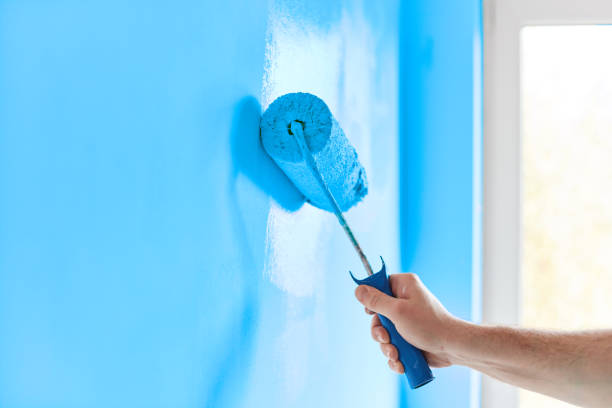
Male hand painting wall with paint roller. Painting apartment, renovating with blue color paint Male hand painting wall with paint roller. Painting apartment, renovating with blue color paint House Painting stock pictures, royalty-free photos & images

Acrylic Paint

  • Key Features: Water-based, quick-drying, flexible, and durable.
  • Applications: Suitable for both indoor and outdoor surfaces; great for walls, ceilings, and exteriors exposed to sunlight.
  • Benefits: Resistant to cracking and peeling due to its flexibility.

Latex Paint

  • Key Features: Water-based with a smooth finish.
  • Applications: Commonly used on interior walls and ceilings; preferred for drywall, masonry, and woodwork.
  • Benefits: Low odor, easy cleanup with water, eco-friendliness.

Oil-Based Paint

  • Key Features: Durable with a glossy finish.
  • Applications: Ideal for high-moisture areas like kitchens or bathrooms; suitable for trims and furniture.
  • Benefits: Provides excellent adhesion and resistance to wear.

Types of Paint Based on Finish

Finish Type Characteristics Popular Uses
Flat/Matte Non-reflective finish Ceilings or low-traffic areas
Eggshell Subtle sheen Living rooms or dining rooms
Satin Smooth with slight gloss Kitchens or hallways
Semi-gloss Reflective and durable Bathrooms or trims
High-gloss Very shiny Cabinets or doors

Enamel Paint

  • Key Features: Provides a hard coating that resists wear-and-tear.
  • Applications: Perfect for metal surfaces like railings and gates; also good on wooden furniture.
  • Benefits: Long-lasting shine with superior protection against moisture.

Emulsion Paint

  • Key Features: Versatile water-based paint that is washable.
  • Applications: Commonly used in residential interiors; suitable for walls where cleaning may be required.
  • Benefits: Offers durability while being cost-effective.

Specialized Exterior Paints

  1. Formulated to resist fading due to sun exposure.
  2. Provides long-term protection against water damage.
  3. Adds depth by hiding surface imperfections like cracks.
  4. Popular for exterior walls on modern homes.
  5. Contains additives to inhibit fungal growth.
  6. Essential in humid climates where mold is common.
  7. Designed specifically for concrete walls.
  8. Highly breathable yet resistant to weathering over time.

Unique Interior Applications

  1. Transforms walls into writable surfaces perfect for kids’ rooms or offices.
  2. Adds reflective shimmer ideal as an accent in bedrooms or dining rooms.
  3. Affordable matte-finish option suited for temporary interiors like rental spaces.
  4. Superior stain resistance makes them perfect choices near high-touch areas in homes with children.

By understanding these varieties along with their features, homeowners can select the right type of paint tailored precisely to their needs while ensuring lasting results without compromise on aesthetics or functionality.

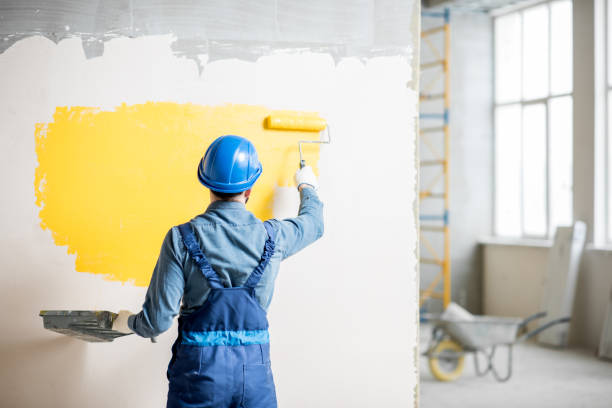
Workamn painting wall indoors Workman in uniform painting wall with yellow paint at the construction site indoors House Painting stock pictures, royalty-free photos & images

All You Need to Know About Wall Putty: Benefits, Applications, and Finishing Tips

Wall putty plays a critical role in achieving a smooth and durable finish for walls before painting. It’s an essential preparatory material that helps enhance the aesthetic appeal and longevity of painted surfaces. Below is an in-depth look at its benefits, applications, and practical tips for achieving the best results.

What is Wall Putty?

Wall putty is a fine white-cement-based powder or acrylic material that is applied to walls and ceilings before painting. Its primary purpose is to provide a leveled surface by filling cracks, holes, and uneven areas while improving paint adhesion.

Benefits of Using Wall Putty

  • Smooth Surface Preparation: It creates an even base by covering imperfections like small cracks, dents, or pores on wall surfaces.
  • Enhanced Paint Adhesion: Proper application helps the paint adhere better to the surface, ensuring lasting results.
  • Increased Durability: By acting as a protective layer between the wall and paint, putty prevents peeling or flaking over time.
  • Moisture Resistance: Certain types of wall putties are designed to resist moisture penetration, making them suitable for humid environments.
  • Cost-Effective Maintenance: Pre-treating walls with putty reduces frequent repainting costs by improving durability.

Types of Wall Putty

Type Characteristics Best Used For
Cement-Based Putty Composed of white cement; provides excellent strength Exterior walls; areas prone to moisture
Acrylic Putty Made with acrylic resins; offers smooth finishes Interior walls; low-moisture areas

Depending on your project type and environmental conditions, you can select the most appropriate type for optimal results.

How to Apply Wall Putty Step-by-Step

  1. Clean the surface thoroughly to remove dirt, grease, and loose particles.
  2. Sand any uneven areas lightly if necessary.
  3. Gradually add water to dry wall putty while stirring until you achieve a lump-free paste.
  4. Let it rest for 10–15 minutes before application.
  5. Use a steel trowel or blade to apply an even layer (1–2 mm thick).
  6. Allow it to dry completely (6–8 hours).
  7. Use fine sandpaper (400–600 grit) to smooth out any roughness.
  8. For better leveling on highly textured walls or deep imperfections, apply another thin coat.
  9. Repeat sanding after drying.
  10. Once fully dry and leveled (24 hours), proceed with primer application followed by paint.

Tips for Best Results

  • Always use clean tools and water during mixing to prevent contamination.
  • Avoid applying excessively thick layers as they may crack upon drying.
  • Store unused material in airtight containers in a cool environment.
  • Perform patch tests on small sections if you’re uncertain about using specific products.

Well-executed preparation using wall putty lays a strong foundation for stunning paint finishes that last longer without frequent maintenance needs.

All You Need to Know About Wall Putty: Benefits, Applications, and Finishing Tips

Wall putty is an essential component in painting and construction processes, designed to provide a smooth and even surface for painting while enhancing the overall durability of walls. Understanding its benefits, applications, and finishing techniques can significantly impact the quality of your paintwork. Below is a comprehensive guide to help you make the most of wall putty in your projects.

Benefits of Wall Putty

  • Smooth Surface Finish: Wall putty creates a leveled and smooth surface that enhances paint adhesion.
  • Improved Durability: It helps protect walls from cracks, flaking, and regular wear-and-tear by filling minor imperfections.
  • Moisture Resistance: Many high-quality wall putties offer moisture resistance, preventing dampness from affecting the painted surface.
  • Enhanced Paint Life: A properly applied layer of putty allows paint to last longer by creating a strong base.
  • Cost Efficiency: By reducing the need for excessive primer or multiple coats of paint, wall putty can lower overall project costs.

Applications of Wall Putty

  1. Used to fill cracks, holes, dents, or uneven surfaces on plastered walls before applying primer or paint.
  2. Ensures even application for all types of paints.
  3. Protect outdoor surfaces from weather damage by preventing moisture ingress.
  4. Enhances adhesion for exterior-grade paints.
  5. Creates an aesthetically pleasing finish by smoothing out rough surfaces in living rooms, bedrooms, or kitchens.
  6. Ideal for patching up damaged areas on walls where plaster might have peeled off or chipped away over time.

Types of Wall Putty

Type Composition Key Features Best Suited For
White Cement-Based Made with white cement Durable, water-resistant Interior & exterior walls
Acrylic-Based Contains polymers Smooth finish but less durable than cement-based options Interiors only
Polymer-Based Composed of specialized polymers Flexible and crack-resistant High-moisture environments

Finishing Tips for Applying Wall Putty

  1. Clean the wall thoroughly to remove dirt, dust, grease, or loose particles.
  2. Ensure that the surface is free from dampness before applying putty.
  3. Follow manufacturer instructions while mixing powder-based wall putties with water.
  4. Aim for a lump-free consistency similar to paste.
  5. Use a stainless-steel trowel or blade for spreading an even layer across the surface.
  6. Apply at least two coats (allow drying time between coats) for optimal smoothness.
  7. Let the applied layers dry completely before sanding them down lightly using fine-grit sandpaper.
  8. After achieving a seamless finish with sanding, apply a coat of primer suitable for your chosen type of paint.

By understanding these aspects—benefits, applications, types available in the market—and following expert tips on finishing techniques during its use—you can ensure better results from both interior design projects as well as outdoor protective coatings when utilizing wall-putties effectively across surfaces themselves!


Mastering the Art of Painting: Expert Painters Perrysburg OH Homeowners Trust

Painting is one of the most effective ways to transform a space, refresh an exterior, or breathe new life into old furniture. Whether you’re a seasoned DIY enthusiast or just getting started, mastering the art of painting requires knowledge, preparation, and the right techniques. Below, we’ve compiled 101 essential tips that every homeowner should know when it comes to painting.

Choosing the Right Paint

  • Interior vs. Exterior Paint: Choose paint specifically formulated for indoor or outdoor use based on your project. Interior paint is designed to withstand cleaning and wear, whereas exterior paint resists weather elements like rain and UV rays.
  • Flat/Matte: Great for ceilings and low-traffic areas due to its non-reflective quality.
  • Eggshell/Satin: Durable enough for walls in living rooms or bedrooms.
  • Semi-gloss/Glossy: Ideal for trim, doors, and high-moisture areas like bathrooms.
Finish Type Best For Durability
Flat/Matte Ceilings, low-traffic spaces Low
Eggshell/Satin Walls in general areas Moderate
Semi-Gloss/Glossy Trim, doors, humid spaces High

Preparation Is Key

  1. Dust and grease can prevent paint from adhering properly.
  2. Use soap and water or a degreaser where necessary.
  3. Fill holes with spackle or caulk.
  4. Sand rough patches for an even surface.
  5. Use painter’s tape around trim, ceilings, and adjacent surfaces to achieve clean lines.
  6. Use primer on bare wood or drywall to ensure proper adhesion.
  7. Primers are also essential when switching between colors with high contrast (e.g., dark to light).

Essential Tools Every Homeowner Needs

  • Quality Brushes: Invest in synthetic-bristle brushes for latex paints and natural-bristle brushes for oil-based paints.
  • Rollers: Use different nap sizes depending on your surface texture (short nap for smooth surfaces; long nap for textured walls).
  • Paint Tray with Liner: Prevents messes during cleanup.
  • Extension Pole: Ideal for reaching high walls or ceilings without ladders.

Techniques for Professional Results

  • Start with a “W” shape when rolling paint onto walls. Then fill it in with horizontal strokes for even coverage.
  • Maintain a “wet edge” while painting—this prevents lap marks as you work across sections.
  • Apply thin coats instead of heavy layers; this reduces drips and allows faster drying times.

By following these must-know tips on choosing materials, preparing surfaces, using tools effectively, and mastering techniques, homeowners can take their painting projects from ordinary to extraordinary with ease.

Organize Your Painting Tools Effectively with Tips from a Painting Company Perrysburg OH

Keeping your painting tools organized is essential for a smooth and efficient painting process. A disorganized workspace can lead to wasted time, misplaced tools, and even mistakes in the final result. One simple yet innovative solution is to use DIY stir-stick paint organizers. These organizers are not only cost-effective but also highly customizable to fit your specific needs. Below, we outline how to create and utilize these organizers while maintaining a clutter-free workspace.

Benefits of Stir-Stick Paint Organizers

  1. Stir sticks are inexpensive and often come free with paint purchases, making them an affordable organizational tool.
  2. Reusing stir sticks promotes sustainability by reducing waste.
  3. Cut and shape the sticks according to your specific needs for different tools, such as brushes, rollers, or scrapers.
  4. Personalize them with labels or color coding for easy identification.
  5. These compact organizers take up minimal space, keeping your workstation tidy without the need for bulky storage boxes.

Materials Needed

Item Purpose
Wooden stir sticks Base structure for organizing tools
Hot glue gun To attach components securely
Sandpaper (optional) Smooth edges of cut stir sticks
Paint or markers For labels or decorative elements
Small hooks or clips To hold brushes or smaller items

Step-by-Step Instructions

  1. If needed, sand down any rough edges on the stir sticks for a smooth finish.
  2. Optionally, paint the sticks in different colors for categorization purposes (e.g., blue for brushes, red for rollers).
  3. Lay out the stir sticks horizontally as a base platform.
  4. Use additional vertical pieces to create compartments or slots depending on the size of tools you plan to store.
  5. Use a hot glue gun to attach all components securely.
  6. For added functionality, affix small hooks or clips onto certain areas of the organizer to hold smaller items like tape rolls.
  7. Label Each Section (Optional)
  8. Write or draw labels directly onto each compartment using permanent markers.
  9. This step ensures quick identification of tools during future projects.

A professional house painter's painting an apartment Photo of a professional house painter painting walls in the apartment House Painting stock pictures, royalty-free photos & images

Tips for Efficient Tool Organization

  • Dedicated Sections: Designate specific sections within the organizer for different types of supplies—brushes in one area, rollers in another. This reduces confusion while working on complex projects.
  • Wall-Mounted Option: Attach stir-stick organizers directly to a wall if you’re working in tight spaces like closets or garages.
  • Regular Maintenance: After each project, clean off any excess paint from brushes and tools before placing them back into their designated slots.

Wrapping Up: Interior & Exterior Painting Perrysburg OH Expertise

Using DIY stir-stick paint organizers is an excellent way to streamline your painting process while keeping essential tools accessible and orderly. Whether you’re working on small touch-ups or larger renovation projects, investing time into creating these practical organizers will save you effort in the long run and ensure that your creative focus remains on achieving professional-quality results rather than hunting down misplaced items.

Achieve Flawless Edges by Letting Paint Dry and Cutting the Tape Loose Perfectly

When painting walls, trims, or other surfaces, achieving crisp and clean edges is essential for a professional finish. One of the most effective methods to ensure sharp lines involves properly using painter’s tape combined with proper timing and technique. Below, we’ll walk through how to achieve flawless edges by letting the paint dry and cutting the tape loose perfectly.

Why Painter’s Tape Matters

Painter’s tape is designed specifically for masking off areas where you don’t want paint to bleed. Unlike regular masking tape, it adheres securely without damaging surfaces or leaving sticky residue behind. When applied correctly, painter’s tape acts as a barrier that allows you to create precise lines while still working efficiently.

Steps for a Perfect Finish

  1. Ensure the surface is clean and dry before applying the tape.
  2. Use high-quality painter’s tape suited for your surface type (e.g., delicate surfaces or rough textures).
  3. Press down firmly along the edge of the tape using your fingernail or a putty knife to prevent paint seepage.
  4. Apply paint over the taped area using steady strokes.
  5. Avoid overloading your brush or roller near the tape to reduce drips and prevent excess from pooling at the edge.
  6. Let the paint dry partially but not fully cured before removing the tape.
  7. Ideally, wait until it feels tacky but not wet (this usually takes 30 minutes to an hour depending on humidity).
  8. Use a utility knife or razor blade to gently score along where the paint meets the edge of your painter’s tape.
  9. This step ensures that dried paint won’t peel off with removal.
  10. Slowly pull back at a 45-degree angle while keeping consistent tension on the tape.
  11. If resistance occurs, pause and make additional cuts along stubborn areas.

Common Problems & Solutions

Problem Cause Solution
Paint bleeding under tape Poor adhesion or uneven application Press down edges firmly; use specialized sealing tapes
Tape pulls dried paint Removing too quickly without scoring Score gently before peeling
Uneven lines Overlapping layers of inconsistent paint Apply uniform coats; remove excess buildup

Pro Tips for Flawless Edges

  • Seal Tape Edges with Clear Coat: Before painting, apply a thin layer of clear base coat along taped edges. This seals gaps where paint might seep through.
  • Work in Small Sections: Avoid taping off large areas at once to maintain manageable drying times and precision.
  • Test Before Commit: Always test your technique on an inconspicuous section before proceeding with highly visible areas like trim or accent walls.

By following these methods systematically, you can elevate any painting project while ensuring sharp, professional-looking results every time.

Quick and Easy Touch-Up Painting Without the Hassle of Cleanup

Touch-up painting is an inevitable part of maintaining a polished and well-kept home. Whether it’s filling in scuff marks, covering small scratches, or refreshing faded areas, touch-ups can breathe new life into your space without the need for a full paint job. Here are some tips to make the process quick and hassle-free while minimizing cleanup.

Gather the Essentials

  • Paint: Ensure you’re using the exact same brand, finish (e.g., matte, satin, or semi-gloss), and color as your original wall paint.
  • Small brushes or foam applicators: These provide precision for smaller areas.
  • A damp cloth: Useful for cleaning the surface before applying paint.
  • Masking tape: To protect edges or adjacent surfaces if needed.
  • Plastic wrap or drop cloths: To cover furniture or flooring near your painting area.

Steps to a Cleaner Touch-Up Painting Process

  1. Clean the Area: Dust, grease, and dirt can all affect how paint adheres to a surface. Use a damp cloth with mild detergent to clean the area thoroughly and let it dry completely before proceeding.
  2. Use Small Quantities of Paint: Instead of pouring paint into a tray that would require extensive cleanup afterward, dip directly into the paint container using your brush or transfer a small amount into an airtight container.
  3. Feather Your Strokes: When applying touch-up paint, use light strokes that blend seamlessly with the surrounding area. Avoid overloading your brush with paint to prevent streaks or drips.
  4. Minimize Tools Used: For smaller jobs like covering up nail holes or chipped corners, consider tools such as cotton swabs for precision application rather than larger brushes that require more cleanup.
  5. Keep Touch-Up Kits Handy: Store leftover paint in small labeled containers (like mason jars) so you’re prepared for future touch-ups without having to open large cans of paint.

Senior man painting apartment interior Retirement life. Time to downsize your home. Senior man painting apartment interior. House Painting stock pictures, royalty-free photos & images

Pro Tips for Simplifying Cleanup

  • Place plastic wrap over any surfaces prone to drips—this saves time spent scrubbing spills.
  • Wrap brushes tightly in plastic wrap between coats rather than cleaning them immediately; this keeps them moist without water waste.
  • If using disposable foam brushes for very minor tasks, discard them instead of washing them out to save effort.
Tool/Item Usefulness Cleanup Level
Cotton Swabs Great for tiny imperfections Minimal effort
Foam Brushes Ideal for quick coverage Disposable option
Masking Tape Protects adjacent surfaces No cleanup needed

By following these strategies, you’ll be able to tackle minor painting tasks efficiently while keeping both effort and mess at a minimum.

Essential Tips for House Painting Perrysburg OH: Pre-Paint Skin Care

Painting projects can be messy, and often, the most overlooked aspect is how to protect your skin during the process. Paint splatters, accidental spills, and harsh chemicals in paints can wreak havoc on your hands and exposed skin. Proper preparation not only keeps your skin safe but also makes cleanup much easier. One simple yet highly effective solution is using pre-paint lotions. Below, we delve into why they are important and how to incorporate them into your next painting project.

Why Use Pre-Paint Lotions?

  • Easy Cleanup: Lotions allow paint to slide off easily with soap and water.
  • Skin Protection: Many lotions also contain moisturizing agents that prevent dryness caused by exposure to chemicals in paint.
  • Time-Saving: Reduces the need for scrubbing stubborn paint stains from hands.
  • Allergen Mitigation: Helps shield sensitive skin from allergens in certain paints or solvents.

How to Choose the Right Pre-Paint Lotion

Feature Ideal Choice
Hydration Look for glycerin-based or lanolin-rich formulas
Chemical Resistance Check for barrier creams specifically designed for industrial use
Skin Sensitivity Opt for hypoallergenic products with no added fragrance
Application Ease Choose lotions that absorb quickly without leaving a greasy residue

Steps to Prepare Your Skin with Pre-Paint Lotion

  1. Wash Your Hands Thoroughly
    Before applying any lotion, ensure your skin is clean and free of dirt or oil buildup.
  2. Apply a Generous Amount of Lotion
    Focus on areas most likely to come into contact with paint—hands, wrists, forearms, etc.
  3. Rub In Completely
    Massage the lotion until it forms an invisible layer over your skin.
  4. Reapply as Needed
    If you’re involved in a long project, consider reapplying every few hours to maintain protection.
  5. Post-Painting Cleanup
    Wash off any remaining lotion along with dirt or paint using mild soap and warm water.

Additional Tips for Protecting Your Skin During Painting Projects

  • Wear gloves when possible—latex or nitrile gloves work well without impacting dexterity.
  • Avoid touching your face during the project; even small amounts of paint can irritate sensitive facial areas.
  • For larger painting tasks involving strong chemical fumes (e.g., spray paints), consider using protective creams alongside gloves.

Summary Table: Benefits of Pre-Paint Lotions

Benefit Description
Paint Removal Helps eliminate dried-on stains effortlessly
Moisturizing Properties Keeps hands soft despite exposure to harsh chemicals
Barrier Function Prevents direct contact between skin and irritants

Proper preparation is essential before starting any painting task—don’t skip protecting your most valuable tool: your hands! With pre-paint lotions as part of your routine, you’ll enjoy smoother projects with less hassle at cleanup time while keeping your skin healthy and irritation-free throughout the process.


Key Differences Between Exterior and Interior Paint for House Painting Perrysburg OH

When choosing the right paint for your project, it is essential to understand the differences between exterior and interior paint. These two types of paint are formulated to perform in distinct environments, ensuring durability and aesthetic appeal based on their intended application. Below, we explore key aspects that differentiate exterior and interior paints, helping you make an informed decision.

Composition Differences: Formulated for Specific Conditions

  • Contains additives like mildew inhibitors and UV blockers to combat weather conditions.
  • Formulated with resins that expand and contract with temperature changes.
  • Offers greater resistance to moisture, fading, and cracking over time.
  • Engineered for controlled environments like homes or offices.
  • Less odor due to lower levels of volatile organic compounds (VOCs).
  • Provides a smoother finish with a focus on washability and stain resistance.
Feature Exterior Paint Interior Paint
Resilience Withstands extreme weather Best suited for controlled environments
VOC Levels Generally higher Lower for indoor air safety
Additives UV blockers, moisture barriers Stain-resistant agents
Finish Durability Fade-resistant Focused on ease of cleaning

Durability vs. Aesthetic Finish

Exterior paints prioritize durability due to exposure to sunlight, rain, wind, and temperature fluctuations. On the other hand, interior paints focus on producing visually appealing finishes suitable for indoor spaces where aesthetics matter most.

  • Durable Exterior Coatings: The binders in exterior paint are more flexible than those in interior formulations, enabling them to endure harsh outdoor elements without flaking or peeling.
  • Refined Indoor Finishes: Interior paints emphasize smooth textures that work well on walls and ceilings.

Environmental Impact Considerations

  1. Exterior Paint: Often contains higher VOCs due to its enhanced durability requirements. However, eco-friendly options are now available for reduced environmental impact.
  2. Interior Paint: Low-VOC or zero-VOC formulas are ideal for maintaining healthy indoor air quality without compromising performance.

Application Methods: Differences in Technique

  • For exteriors: Proper cleaning (e.g., pressure washing), caulking cracks, and addressing peeling areas ensure adherence.
  • For interiors: Filling nail holes or sanding imperfections is critical before painting smooth surfaces.

Key Takeaways When Choosing

To select the appropriate type of paint: 1. Determine whether the surface is indoors or outdoors. 2. Evaluate environmental exposure (e.g., direct sunlight or humidity). 3. Prioritize durability for exteriors but opt for low-VOC finishes indoors. 4. Match the desired finish (e.g., matte, satin) with specific project needs.

Understanding these distinctions will allow you to choose a product tailored not only to its environment but also its functionality over time—ensuring both longevity and beauty in your space’s final appearance.

The Essential Guide to Finding the Best Painters Perrysburg OH for Your Home

Selecting the right interior paint for your home can significantly impact both aesthetics and functionality. With so many options available, it’s important to consider factors such as color, finish, durability, and application. This guide will help you navigate these elements to make the best choice for your space.

Factors to Consider When Choosing Interior Paint

  1. Room Functionality
    Each room in your home has unique requirements:
  2. Living Room & Bedrooms: Opt for colors that create a relaxing or inviting atmosphere. Neutral tones or muted pastels often work well here.
  3. Kitchen & Bathroom: These areas require paints with high moisture resistance and easy-to-clean finishes, such as semi-gloss or satin.
  4. Children’s Rooms: Choose durable and washable paint finishes like eggshell or satin to withstand wear and tear.
  5. Natural light enhances lighter shades and neutral palettes.
  6. Artificial lighting may alter how colors appear; warmer bulbs accentuate warm tones while cooler bulbs emphasize cool shades.
  7. Paint Finish Options Different finishes provide varying levels of sheen and practicality: | Finish | Characteristics | Recommended Use | |——————|————————————————–|———————————–| | Flat/Matte | Non-reflective, hides imperfections | Ceilings or low-traffic areas | | Eggshell | Slight sheen, more durable than flat | Living rooms, dining rooms | | Satin | Smooth finish with a soft glow | Kitchens, bathrooms, kids’ rooms | | Semi-gloss | Glossy and highly durable | Trim, doors, cabinets | | High-gloss | Very shiny with excellent durability | Accent areas like furniture |
  8. Durability Requirements
    For high-traffic areas or spaces prone to stains (e.g., hallways), use paints that resist scuffs and are easy to clean.

Tips for Choosing the Perfect Paint Color

  • Use sample swatches on walls to observe how colors look at different times of the day.
  • Pair bold colors with neutral tones for balance.
  • Factor in existing décor like furniture and flooring when narrowing your choices.

Eco-Friendly Options

For environmentally conscious homeowners: – Look for low-VOC (Volatile Organic Compounds) or zero-VOC paints that emit fewer harmful chemicals. – Consider water-based acrylic paints over oil-based alternatives due to easier cleanup and better sustainability.

Preparing Your Space Before Painting

Proper preparation is key to achieving a polished final result: – Clean walls thoroughly to remove dust and grease. – Patch holes or cracks using spackle before applying primer. – Mask trims and edges using painter’s tape for clean lines.

By carefully evaluating these aspects of interior paint selection, you can create a space that is both visually appealing and functional while ensuring long-lasting results tailored specifically to your needs.

The Essential Guide to Choosing the Best Painting Company Perrysburg OH for Your Home

Choosing the appropriate interior paint for your home is a pivotal step in creating a comfortable and aesthetically pleasing environment. With various options available on the market, understanding the key aspects of paint selection can make a substantial difference in achieving your desired results. This guide covers essential factors to consider when selecting interior paint, including types, finishes, and color considerations.

Paintbrush are used by a carpenter to paint wooden moldings on door trims Paintbrush are used by a contractor painter to paint wooden moldings on door trims House Painting stock pictures, royalty-free photos & images

Types of Interior Paint

  • Easy to clean with soap and water.
  • Low odor and quick drying time.
  • Resistant to yellowing over time.
  • Offers a smooth finish that is highly durable.
  • Suitable for high-traffic areas or surfaces requiring extra protection (e.g., trims or doors).
  • Requires solvents like mineral spirits for cleaning tools.
Feature Water-Based Paint Oil-Based Paint
Drying Time Quick (1-2 hours) Slow (6-8 hours or more)
Odor Low High
Durability Moderate High
Clean-Up Soap & water Solvents required

Choosing the Right Finish

  • Flat/Matte Finish: Best for low-traffic areas such as ceilings or bedrooms. It provides excellent coverage but is less durable when it comes to cleaning.
  • Eggshell Finish: Slightly more durable than flat, eggshell offers a soft sheen, making it ideal for living rooms or hallways.
  • Satin Finish: Provides a velvety appearance with higher durability; perfect for kitchens, bathrooms, or playrooms where frequent cleaning is necessary.
  • Semi-Gloss Finish: Highly reflective and easy to clean; often used on trim, moldings, and doors.
  • High Gloss Finish: Offers maximum shine and durability; suited for decorative features like furniture or cabinetry.

Color Considerations

  1. Light colors create an illusion of spaciousness in smaller rooms.
  2. Darker shades add warmth but may make a room feel more enclosed.
  3. Natural light enhances true colors during daytime.
  4. Artificial lighting can alter how hues appear at night—consider testing samples under different lighting conditions.
  5. Cool tones like blues and greens evoke calmness.
  6. Warm tones such as yellows and reds add energy to social spaces.

Practical Tips for Making Your Choice

  1. Test samples on walls before committing to a color.
  2. Consider using complementary colors across adjacent rooms for cohesion.
  3. Use high-quality primers when transitioning between drastic colors to ensure even coverage.

Selecting the right interior paint requires balancing functionality, design preferences, and quality considerations. By focusing on these elements, you can transform your home into an inviting space that aligns with your vision while ensuring long-lasting results.

Achieve a Perfect Finish with Interior & Exterior Painting Perrysburg OH Professionals

Achieving a flawless finish when painting is an art that requires careful preparation, attention to detail, and the right techniques. Whether you’re painting walls, furniture, or trim, professional application methods can make all the difference in achieving a smooth, polished result. Below are step-by-step guidelines and best practices to help you achieve a perfect finish.

Preparing the Surface

  1. Clean the Surface:
    Remove dirt, grease, and dust from the area using mild soap and water or an appropriate cleaner. Allow it to dry completely.
  2. Fill holes and cracks with spackle or filler.
  3. Sand rough areas for a smooth base.
  4. Use caulk for gaps in corners or along edges.
  5. For porous surfaces like bare wood or drywall, apply a primer suitable for the material.
  6. Use stain-blocking primers if covering stains or transitioning between drastically different colors.

Choosing the Right Tools

Tool Best For
Nylon/Polyester Brushes Water-based paints
Natural Bristle Brushes Oil-based paints
Foam Rollers Smooth surfaces like cabinets
Textured Rollers Uneven areas like stucco

Make sure brushes are well-maintained, rollers are clean and lint-free, and you have painter’s tape handy for precise lines.

Applying Paint Correctly

Using proper paint application techniques ensures an even finish without streaks or drips.

  1. Cutting In:
    Start by “cutting in” around edges where rollers cannot reach (e.g., corners, ceilings). Use an angled brush for precision.
  2. Maintain Wet Edges:
    Work quickly enough that painted sections remain wet while overlapping strokes. This prevents lap marks.
  3. Load your roller evenly by rolling it in the tray multiple times until it’s saturated but not dripping.
  4. Use a “W” pattern when rolling on walls and fill in gaps by overlapping strokes.
  5. Thin Coats Are Key:
    Apply two thin coats rather than one thick coat to prevent drips and ensure even coverage.

Finishing Touches

  • Remove Painter’s Tape Carefully: Peel off tape at an angle before the paint is fully dry to avoid pulling up dried paint layers.
  • Inspect Under Different Lighting Conditions: Check for missed spots once paint has dried under natural light or artificial lighting.
  • Sanding Between Coats (Optional): For ultra-smooth finishes on furniture or cabinets, lightly sand between coats with fine-grit sandpaper (320-400 grit).

Common Challenges & How to Address Them

  • Streaky Finish: Use high-quality paint with self-leveling properties and avoid overbrushing.
  • Drips: Catch drips immediately with a damp cloth before they dry or lightly sand them down after drying.
  • Brush Marks: Invest in quality brushes designed specifically for your chosen type of paint (oil-based vs water-based).

By following these professional tips and techniques, you can master the art of creating flawless painted surfaces that elevate any space while lasting longer over time.

Exploring the Benefits of High-Quality Paint for Long-Lasting Results

When starting a painting project, selecting high-quality paint is one of the most crucial decisions you can make. While it may be tempting to opt for a cheaper option, investing in premium-grade paint offers several advantages that can save you money and effort over time. Below, we explore the key benefits of high-quality paint and why it’s worth considering for your next project.

Paintbrush and a can of white paint on wooden floor Newly opened can of white paint and paintbrush on wooden floor. House Painting stock pictures, royalty-free photos & images

Durability and Longevity

  • Enhanced wear resistance: Premium paints resist chipping, cracking, and peeling better than lower-grade options.
  • Long-lasting color retention: They are less likely to fade under UV exposure or environmental stressors.
  • Greater washability: High-quality interior paints stand up to routine cleaning without losing their finish or sheen.

Investing in durable paint reduces the need for frequent touch-ups or repainting, ultimately saving both time and money.

Better Coverage

  • You’ll require less paint per square foot.
  • Dark or bold colors can easily cover lighter shades without additional layers.

This efficiency contributes to cost savings on materials while ensuring a professional-looking result.

Enhanced Aesthetic Appeal

  • Rich pigments: Brighter colors with greater depth.
  • Smoother application: Reduced streaks or visible brush marks.
  • Variety of finishes: From matte to gloss, many premium paints maintain their texture and luster over time.

For those aiming for a flawless finish, superior paint enhances the overall aesthetic value of any room or surface.

Improved Resistance to Environmental Factors

Factor Impact with Low-Quality Paint Impact with High-Quality Paint
UV Rays Fading colors & chalking Longer-lasting vibrant color
Moisture Peeling & blistering Water-resistant properties
Temperature Changes Cracking due to expansion/contraction Flexible formulations prevent damage

Interior paints also benefit from advanced resistance properties like moisture protection in kitchens or bathrooms.

Eco-Friendly Options

Many high-end brands now offer environmentally friendly products that minimize VOC (volatile organic compound) emissions. These low-VOC options contribute to healthier indoor air quality while being safer for both users and the environment.

Key features include: – Safer application in confined spaces. – Reduced odors during drying.

Environmentally conscious homeowners will appreciate these sustainable solutions without compromising performance.

Cost Effectiveness Over Time

While premium-grade paints may have a higher upfront cost compared to budget alternatives, their durability, efficiency in coverage, and lower maintenance needs often make them more economical in the long run. Choosing quality ensures that surfaces remain pristine for years instead of needing regular upkeep or premature repainting.

By selecting high-quality paint for your next project—whether interior or exterior—you’re making an investment in durability, aesthetics, health-conscious living, and overall satisfaction. Choosing wisely today results in fewer headaches tomorrow.

Top Tips for Preparing Surfaces Before Painting for Best Results

Proper preparation of surfaces is a critical step in achieving a flawless and long-lasting paint finish. Skipping or rushing through this process can result in uneven application, peeling, or cracking over time. Below are some actionable tips to help you prepare surfaces effectively before painting.

1. Clean the Surface Thoroughly

Dirt, grease, and dust can significantly impact how well the paint adheres to the surface. Cleaning is essential for both interior and exterior painting projects.

  • For walls: Use a mild detergent mixed with warm water to wash the surface. A sponge or cloth works well for removing buildup.
  • For exterior surfaces: Consider using a pressure washer to remove tough dirt, mold, or mildew.
  • For glossy finishes: Degrease the area using trisodium phosphate (TSP) or similar cleaning agents.

Ensure the surface is completely dry before proceeding to the next step.

2. Repair Any Damaged Areas

Cracks, holes, and imperfections can cause uneven paint application. Address these issues before starting your project.

  • Fill cracks and holes: Use spackle or wood filler on interior walls and exterior-grade fillers for outdoor surfaces.
  • Sand rough spots: After applying filler, sand the area smooth using fine-grit sandpaper.
  • Inspect for damage: Watch out for signs of water damage or rot on wooden surfaces—these should be replaced if necessary.

3. Sanding the Surface

Sanding creates a smooth base while improving adhesion by slightly roughening glossy finishes that resist paint.

  • For previously painted walls: Lightly sand with medium-grit sandpaper (120–150 grit) to remove any loose paint.
  • For unpainted wood: Sand down splinters and knots using fine-grit sandpaper (180–220 grit).

Always wipe away sanding dust with a damp cloth or tack cloth before priming.

4. Use Primer When Necessary

Surface Type Priming Requirement
Bare drywall Always use a primer-sealer
Fresh wood Apply wood primer
Previously painted wall Use stain-blocking primer if needed
Metal Apply rust-inhibiting primer

Primers not only help hide stains but also create an ideal base for topcoats by improving their adhesion capabilities.

5. Mask and Protect Surrounding Areas

  • Use painter’s tape around edges such as window frames and baseboards.
  • Lay drop cloths over floors to catch any drips.
  • Remove outlet covers, switch plates, and light fixtures where possible.

Proper masking saves cleanup time later while ensuring crisp lines along edges.

6. Test Paint Compatibility

  1. Dip a cotton ball with rubbing alcohol.
  2. If some color transfers onto the cotton ball: The original paint is latex-based.
  3. If no color transfers: It’s oil-based.

Latex paints generally work well over latex coatings but may need extra preparation when applied over oil-based finishes (or vice versa).

By following these steps carefully, you’ll establish an excellent foundation for your painting project while minimizing potential issues during application or after drying stages.

Young man having fun while painting the wall of his new house Rear view of a young man coloring wall of the living room with paint roller. Man having fun doing renovations at home. House Painting stock pictures, royalty-free photos & images

Common Mistakes to Avoid When Choosing Paint Colors and Finishes

Selecting the right paint colors and finishes can be a challenging aspect of any painting project. Mistakes at this stage can lead to dissatisfaction with the final look, wasted resources, and additional expenses. Below are some of the most common pitfalls to avoid when choosing paint colors and finishes, along with strategies to ensure better results.

1. Ignoring Lighting Conditions

One of the most significant mistakes is failing to consider how lighting affects color perception. Natural light, artificial light, and even the direction a room faces can alter how a color appears.

  • North-facing rooms: Often have cooler natural light, making colors appear slightly muted. Warm tones work well here.
  • South-facing rooms: Benefit from more consistent warm light throughout the day, making both cool and warm tones suitable.
  • Artificial lighting: Incandescent bulbs enhance warm tones, while LED or fluorescent lighting may alter color hues significantly.

Tip: Always test a sample on your walls under different lighting conditions before committing to a color.

2. Overlooking Undertones

Paint colors often have subtle undertones that may clash with existing décor or design elements if not carefully assessed.

  • Warm undertones (yellow, red): Pair well with earthy shades like beige or cream.
  • Cool undertones (blue, green): Complement modern palettes featuring gray or white.
  • Neutral undertones: Offer versatility but need to harmonize with surrounding furniture and fabrics.

Tip: Compare swatches against your furniture, flooring, and textiles to identify any unwanted clashes in tone.

3. Choosing Paint Colors in Isolation

Deciding on paint colors without considering other elements in the space—such as furniture, flooring, or cabinetry—can result in visual imbalance.

  • Coordinate paint choices with fixed architectural elements like countertops or tiles.
  • Use complementary palettes for cohesion across open floor plans.

Tip: Create a mood board that combines your selected color swatches with photos of key materials in your space for greater clarity.

4. Misjudging Finish Selection

Finish Type Best Used For Characteristics
Flat/Matte Bedrooms, ceilings Non-reflective; hides imperfections
Eggshell Living rooms Slight sheen; easy maintenance
Satin Kitchens, bathrooms Subtle shine; moisture-resistant
Semi-gloss Trimwork Reflective; durable & wipeable
High-gloss Doors, cabinets Very shiny; highlights imperfections

Tip: Match finishes based on room function and desired durability for long-term satisfaction.

5. Following Trends Blindly

Trending colors may seem appealing today but could feel dated within just a few years. Additionally, they may not align with your personal style or home’s overall aesthetic.

Alternative strategy: – Evaluate whether trends match your existing décor scheme. – Opt for timeless neutral base colors while incorporating trendy shades through easily changeable accents like throw pillows or artwork.

6. Skipping Sample Testing

  • Paint can look very different on walls compared to how it appears on small swatches due to texture variations and lighting conditions.

Tip: Apply sample patches on multiple walls and observe them throughout different times of day before committing to purchase larger quantities.

7. Underestimating Color Psychology

  • Blue: Calming; ideal for bedrooms or offices.
  • Yellow: Energetic; great for kitchens but potentially overwhelming in large doses.
  • Green: Balanced; works well in living spaces focused on relaxation.

Tip: Research psychological effects of colors or consult an interior designer if unsure which hues suit specific spaces best.

By avoiding these mistakes when choosing paint colors and finishes for your project, you can achieve results that are aesthetically pleasing while meeting functional needs accurately over time. Always plan thoughtfully and invest time into preparation for better outcomes overall.


How Often Should You Hire Painters Perrysburg OH for Your Home’s Interior and Why It Matters

Maintaining your home’s interior paint is essential not only for aesthetic appeal but also for preserving the overall integrity of your walls and ceilings. While many homeowners may overlook the importance of regular repainting, understanding the right timeline can save you time, money, and effort in the long run.

General Guidelines for Repainting

Room Type Suggested Repainting Frequency Factors Influencing Frequency
Living Rooms & Dining Rooms Every 5-7 years Low activity areas; occasional furniture movement
Professional Interior & Exterior Painting for Bedrooms in Perrysburg OH Every 5-7 years Depends on occupant (kids’ rooms need frequent updates)
Kitchens Every 3-4 years High humidity, grease, and frequent cleaning
Bathrooms Every 3-4 years Moisture and humidity levels
Hallways Every 2-3 years High traffic with frequent scuff marks
Ceilings Every 10+ years (or as needed) Minimal contact; discoloration from smoke or moisture

Why It Matters

  1. Aesthetic Value
    Walls with fading or peeling paint can make even a well-furnished home look neglected. Regularly updating paint colors keeps your home looking fresh and modern.
  2. Protection Against Damage
    Paint acts as a protective barrier against moisture, mold, and mildew in high-humidity areas like bathrooms or kitchens.
  3. Improved Air Quality
    Over time, older paints may release volatile organic compounds (VOCs). Opting for low-VOC paints during a repaint helps maintain healthier indoor air quality.
  4. Increase in Property Value
    For those planning to sell their homes, freshly painted interiors can significantly improve first impressions and potentially raise resale value.

Room-Specific Considerations

  • High-Traffic Areas: Spaces like hallways tend to experience more wear due to constant use. Handprints, scuff marks, and dirt accumulation are common here. Using durable paints formulated for high-traffic areas can extend the life of your paint job.
  • Children’s Bedrooms: These rooms often require more frequent touch-ups or full repaints because kids’ activities tend to leave behind stains or marks.
  • Kitchens & Bathrooms: The combined effects of heat, steam, grease splatters, and water exposure make these rooms more susceptible to damage. Repainting regularly ensures these spaces remain clean and hygienic.

Signs It’s Time to Repaint

  • Fading color due to sun exposure.
  • Peeling or flaking paint.
  • Visible scuff marks that don’t come off with cleaning.
  • Cracking or bubbling paint caused by moisture intrusion.
  • Outdated colors that no longer complement your decor.

By following these guidelines and maintaining a consistent painting schedule tailored to each room’s needs, you’ll ensure that your home remains both beautiful and functional over time.

House Painting Perrysburg OH: A Comprehensive Room-by-Room Guide

Painting your home’s interior is a great way to refresh its appearance, enhance mood, and protect the underlying surfaces. However, each room in your home serves a different purpose and experiences varying levels of traffic and wear. Therefore, it’s important to tailor your painting strategy to meet the specific needs of each space. Below is a detailed room-by-room guide to help you make informed decisions about colors, finishes, and techniques.

Transform Your Living Rooms and Dining Rooms with Our Painting Company Perrysburg OH

These communal spaces are often focal points in a home where guests gather, so they deserve special attention.

  • Color Tips: Neutral shades like beige, gray, or soft white can create an inviting atmosphere. For a bold statement, consider accent walls in deep greens or rich blues.
  • Recommended Finish: Use an eggshell or satin finish. These provide just enough sheen to reflect light and are easy to clean without being overly glossy.
  • High-quality paint enhances durability for areas with moderate foot traffic.
  • Test paint samples under both natural and artificial light before committing.

Bedrooms

Bedrooms are personal havens meant for relaxation. The right paint can significantly affect the ambiance of these spaces.

  • Color Tips: Opt for soothing hues such as pastel blue, lavender, or soft earth tones to promote calmness. For children’s bedrooms, consider playful yet non-overwhelming colors like teal or peach.
  • Recommended Finish: Matte or eggshell finishes work well here since they minimize glare and create a cozy feel.
  • Choose low-VOC (volatile organic compound) paints for better indoor air quality.
  • Darker hues can make smaller bedrooms feel more intimate but may require extra coats for even coverage.

Kitchens and Bathrooms

These high-humidity areas require specific paints that can withstand moisture and stains.

  • Color Tips: Bright whites or warm yellows are excellent choices for kitchens as they create an impression of cleanliness. For bathrooms, consider spa-like tones such as aqua or seafoam green.
  • Recommended Paint Type: Use semi-gloss or satin finishes. These resist moisture effectively while being easy to wipe down.
  • Invest in mildew-resistant paint specifically designed for damp environments.
  • Prioritize proper ventilation during painting to ensure durability.
Room Type Recommended Colors Best Finish Special Considerations
Living Room Neutral shades; accent wall options Eggshell/Satin High-quality paint; test under various lighting
Bedroom Soothing hues; earth tones Matte/Eggshell Low-VOC paints; darker hues need more coats
Kitchen Whites; warm yellows Semi-gloss/Satin Mildew-resistant paint; prioritize ventilation
Bathroom Aqua; spa-like tones Semi-gloss Protect against humidity with durable finishes

Hallways, Mudrooms, and Laundry Rooms

These transitional spaces experience heavy wear-and-tear due to frequent use.

  • Color Tips: Light neutral shades like off-white or pale gray brighten narrow hallways and make them appear more spacious. Mudrooms benefit from darker tones that hide dirt better.
  • Recommended Finish: Satin or semi-gloss finishes offer durability while handling scuffs well.
  • Washable paints are essential in high-traffic zones.
  • Opt for durable formulas that stand up to cleaning products.

Adding personality to their home with a fresh paint job Shot of a young couple painting the walls of their home House Painting stock pictures, royalty-free photos & images

Final Thoughts on Room-Specific Painting

Customizing your painting approach based on room type not only improves aesthetics but also extends the longevity of your efforts. Remember that preparation is key—clean walls thoroughly before painting, apply primer where necessary, and invest in tools like high-quality brushes and rollers for professional results. By tailoring colors and finishes within each space appropriately, you can achieve a cohesive yet functional interior design throughout your home.

Best Practices for Painting Living Rooms and Dining Rooms

Painting living rooms and dining rooms is an important task, as these spaces are often the focal points of a home where families gather and guests are entertained. A well-executed paint job can transform the ambiance of these areas, making them more inviting, comfortable, and aesthetically pleasing. Below are some best practices to ensure your painting project for living rooms and dining rooms is successful.

Choose the Right Color Palette

  • Consider the room’s purpose:
    Living rooms often serve as relaxation spaces, so neutral tones or warm colors like beige, soft gray, or light pastel shades work well. Dining rooms may benefit from deeper tones such as navy blue or rich green to create a cozy yet elegant atmosphere.
  • Factor in natural light:
    Evaluate the amount of natural light in these spaces. Rooms with ample sunlight can handle darker shades, whereas dimly lit areas might require lighter hues to brighten up the space.
  • Coordinate with decor:
    Make sure your chosen paint color complements furniture, flooring, and accents like curtains or artwork in your living and dining spaces.

Prepare Surfaces Thoroughly

Preparation is critical to achieving a smooth finish that lasts:
1. Clean surfaces: Wipe walls down with a damp cloth to remove dust or grime. For tougher stains, mild soap and water may be necessary.
2. Repair imperfections: Fill cracks, holes, or dents with spackle or joint compound. Once dry, sand them smooth for an even surface.
3. Use painter’s tape: Apply painter’s tape to edges along trim, baseboards, doorways, and ceilings for clean lines during application.

Select Paint Finishes Wisely

The finish you choose impacts both aesthetics and functionality:
Matte finish: Ideal for hiding minor surface flaws but less durable in high-traffic areas. – Satin or eggshell: Popular choices for living rooms and dining areas due to their subtle sheen that adds depth while being easier to clean. – Semi-gloss or gloss finish: Works well on trims and moldings for added durability.

Finish Type Pros Cons
Matte Hides imperfections; soft appearance Not very durable
Satin/Eggshell Washable; subtle sheen Shows imperfections slightly
Semi-gloss/Gloss Durable; easy to clean Can highlight surface flaws

Use High-Quality Tools and Materials

Investing in quality materials ensures better results: – Purchase high-quality paints that provide rich pigmentation and better coverage. – Opt for premium brushes (angled brushes work great for corners) and rollers designed specifically for your selected paint type (smooth vs textured). – Use primers if you’re painting over a dark color or working with new drywall—this step improves adhesion while reducing the number of coats needed.

Create Accent Walls Strategically

Accent walls are an effective way to add visual interest without overwhelming a space:
1. Select one wall that naturally draws attention (e.g., behind a sofa in the living room or near a buffet table in the dining room). 2. Choose a complementary yet bold color that contrasts subtly with surrounding walls. 3. Keep accents balanced by maintaining neutral tones elsewhere.

Maintain Proper Ventilation During Painting

Ensure good airflow while painting by opening windows or using fans where possible—this helps paints dry faster while reducing exposure to fumes from volatile organic compounds (VOCs).

By following these best practices when painting living rooms and dining rooms thoughtfully, you can create harmonious spaces tailored specifically to your home’s style while ensuring longevity of your efforts through good preparation techniques combined with optimal product selection strategies tailored appropriately into executing manageable workflow-oriented process planning steps effectively strong

Essential Tips for Painting Bedrooms to Enhance Comfort

Painting a bedroom is more than just a design choice; it’s an opportunity to create a space that promotes relaxation, comfort, and personal style. Thoughtfully selecting colors, finishes, and techniques can transform your bedroom into a restful retreat tailored to your needs. Below are essential tips to help you paint bedrooms effectively while enhancing comfort and aesthetics.

Choose Calming Colors for Restful Ambiance

  • Neutral tones: Shades like beige, taupe, greige (gray-beige), or soft whites provide versatility and work well with various decor styles.
  • Cool colors: Blues and greens in muted shades are known to evoke calmness and serenity.
  • Pastel colors: Lavender, blush pink, soft yellow, or pale peach can add warmth while preserving a peaceful vibe.

Avoid overly bright or harsh colors like neons or stark whites as they can be visually overwhelming.

Select the Right Paint Finish

Paint Finish Characteristics Suitable For
Matte/Flat Non-reflective; hides imperfections well Walls
Eggshell Slightly shiny; offers durability with refinement Walls
Satin More reflective; easy to clean but highlights flaws Trim/Furniture

A matte or eggshell finish is generally ideal for bedroom walls because they provide a soft look while maintaining durability.

Incorporate Accent Walls for Personality

  • Using deep blues or charcoal grays behind the bedframe for contrast.
  • Incorporating subtle patterns like stripes using painter’s tape.
  • Choosing textured finishes or wallpapers complemented by painted walls.

Ensure the accent wall aligns with your overall color palette for cohesiveness.

Happy couple painting their new apartment. Young happy couple cooperating while painting their walls during home renovation process. Copy space. House Painting stock pictures, royalty-free photos & images

Plan Around Natural Light

The amount of natural light in your bedroom impacts how paint colors appear throughout the day. Rooms with ample sunlight can handle darker shades without feeling cramped. Meanwhile, dimly lit bedrooms benefit from lighter tones that reflect light effectively.

To test how the color interacts with lighting: 1. Apply small swatches of paint on multiple walls. 2. Observe how they look under both natural daylight and artificial lighting during different times of day.

Prepare Surfaces Properly

Proper surface preparation ensures smooth application and long-lasting results:
1. Clean walls thoroughly to remove dust and grime. 2. Repair cracks and holes using spackle. 3. Sand down rough areas to achieve an even base. 4. Prime walls if changing from dark to light hues or painting over glossy finishes.

Taking these steps prevents uneven texture while maximizing coverage efficiency.

Add Personal Touches

Once painting is complete, enhance comfort by incorporating elements that complement your new walls: – Use soft textiles like curtains, rugs, and bedding matching your color scheme. – Introduce artwork or framed photographs emphasizing personal style. – Adjust lighting fixtures (e.g., warm-tone bulbs) for added coziness at night.

By focusing on color choices, finishes, lighting considerations, and proper preparation techniques when painting bedrooms, you can create an inviting sanctuary tailored specifically toward restfulness—a critical aspect of enhancing daily wellbeing in any home environment.

Choosing the Right Paint for Kitchens and Bathrooms in High-Humidity Areas

Kitchens and bathrooms are two of the most challenging areas in your home when it comes to selecting the right paint. These spaces are subject to high humidity, frequent temperature changes, and constant exposure to water, grease, or steam. Using the wrong type of paint can lead to peeling, mold growth, or staining over time. To ensure durability and maintain a beautiful finish, it’s essential to choose paints specifically designed to handle these conditions.

Key Factors to Consider When Choosing Paint

  • Moisture Resistance: Opt for paints that offer superior resistance to moisture, as this is critical in high-humidity environments like bathrooms and steamy kitchens.
  • Washability: These areas often require regular cleaning due to grease splatters or water spots. Paints with a washable surface ensure easier maintenance without compromising the finish.
  • Mold and Mildew Protection: Look for paints labeled as “mildew-resistant” or “anti-microbial,” which help prevent mold growth in damp conditions.
  • Finish Types: Certain finishes perform better under specific circumstances. For example:
  • Satin or Semi-Gloss Finish: Ideal for kitchens and bathrooms due to their durability and ease of cleaning.
  • Matte Finish: Can be used if moisture-resistant formulas are applied; however, it may not provide the same level of durability as glossier finishes.

Types of Paints for High-Humidity Areas

Type of Paint Recommended Use Key Features
Latex-Based Paint Kitchens & Bathrooms Quick drying, low VOCs*, moisture-resistant
Acrylic Paint Bathrooms with higher humidity Better adhesion on surfaces prone to dampness
Specialty Kitchen/Bathroom Paints Both areas Formulated specifically for humid spaces

*Volatile Organic Compounds (VOCs) refer to chemicals released from some paints that can affect indoor air quality. Opting for low-VOC options is a healthier choice.

Additional Tips

  1. Prime First: Using a high-quality primer creates a solid base that helps resist moisture while improving paint adhesion.
  2. Ventilation Matters: Proper ventilation during and after painting is crucial in reducing humidity levels that might otherwise affect curing.
  3. Prep Surfaces Thoroughly: Ensure walls are clean from grease, soap scum, or dust before applying any product.
  4. Apply Multiple Thin Coats: Instead of one heavy coat of paint, apply multiple thin layers for better coverage and durability.
  5. Seal Problem Zones: Pay close attention around sinks, bathtubs, showers, or cooking spaces where water contact is inevitable.

Why Quality Matters

Cutting corners by selecting cheaper or inappropriate paints often leads to issues such as bubbling or discoloration under humid conditions. Investing in high-quality products designed specifically for kitchens and bathrooms ensures long-lasting results while protecting your home from potential damage caused by moisture over time.

By understanding these considerations and choosing wisely based on your needs, you can make your kitchen or bathroom not only visually appealing but also well-equipped to handle daily wear-and-tear without compromising performance or longevity.

Transforming Hallways, Mudrooms, and Laundry Rooms with the Perfect Paint

When it comes to painting often-overlooked spaces like hallways, mudrooms, and laundry rooms, the right paint can make a significant difference. These areas endure heavy foot traffic, scuffs, moisture, and general wear and tear. Choosing the ideal paint will not only enhance their aesthetic appeal but also ensure durability and ease of maintenance.

Key Factors to Consider When Choosing Paint for Transitional Spaces

  1. Durability:
    Hallways and mudrooms face frequent contact with hands, shoes, bags, and even pets. Opt for paints with strong resistance to stains and scuffs.
  2. Washability:
    Laundry rooms are prone to water splashes or detergent spills. A washable paint finish allows easy cleaning without compromising on appearance.
  3. For mudrooms or laundry rooms: Satin or semi-gloss finishes are highly recommended as they resist moisture better than matte finishes while being easy to clean.
  4. For hallways: Eggshell finishes strike a balance between aesthetics and durability for moderately trafficked areas.
  5. Color Selection:
    Light shades can open up narrow hallways while bright or bold colors can add character to smaller mudrooms or laundry areas.

Suggested Colors for Hallways, Mudrooms, and Laundry Rooms

Space Recommended Colors Why These Work
Hallways Off-white, light gray, soft beige Reflect light; create an open feel
Mudrooms Sage green, navy blue Mask dirt; add depth
Laundry Rooms Aqua blue, pale yellow Brighten spaces; promote cleanliness

Tips for Transforming Each Space

  • Hallways
    Use lighter tones paired with mirrors or artwork to make narrow halls feel expansive. Add an accent wall in a slightly darker shade for visual interest without overwhelming the space.
  • Mudrooms
    Since these areas tend to collect dirt from shoes or outdoor items, choose durable paint designed for high-traffic zones. Include an accent color on storage components like shelves or cabinetry to create a cohesive design.
  • Laundry Rooms
    Bring energy into this utilitarian space by incorporating cheerful hues like pastel blues or yellows on the walls while keeping trim white for contrast. Alternatively, neutrals paired with bold-colored decor work equally well.

Benefits of Choosing High-Quality Paints

  • They resist peeling even in humid conditions (ideal for laundry rooms).
  • Better coverage reduces the need for frequent touch-ups in high-contact areas (like hallways).
  • Advanced formulas often include mildew-resistant properties—especially useful near water sources.

By selecting durable finishes tailored to each space’s needs and pairing them with smart color choices, you can transform your hallways, mudrooms, and laundry rooms into functional yet visually appealing parts of your home effortlessly.

Young asian happy woman painting interior wal Young asian happy woman painting interior wall with paint roller in new house House Painting stock pictures, royalty-free photos & images

Top Reasons to Hire a Professional Painter for Your Next Project

When considering a painting project for your home or office, the decision to hire a professional painter can make a significant difference in terms of quality, efficiency, and long-term value. Below are some of the top reasons why hiring a professional painter is often the best choice.

1. Expertise and Skill

Professional painters bring years of experience and training to their work, ensuring flawless results. Their expertise includes:
– Proper surface preparation techniques (cleaning, sanding, and priming).
– Knowledge of different types of paint and finishes for various surfaces.
– Precision in cutting edges and creating clean lines without tape.

This level of skill is difficult to replicate without extensive practice or specialized tools.

2. Time Efficiency

Painting can be time-consuming when tackled as a DIY task, especially for larger spaces or intricate designs. Professionals complete projects much faster thanks to:
– Organized workflows and efficient processes.
– Teams that can handle large-scale jobs collectively.
– Access to commercial-grade equipment like paint sprayers and scaffolding.

By hiring professionals, you save valuable time that can be allocated elsewhere.

3. Superior Quality Materials and Tools

Professional painters have access to higher-quality paints, primers, brushes, rollers, and tools that may not be available at standard retail stores. These materials:
– Provide better coverage with fewer coats.
– Last longer without fading or peeling over time.

Additionally, professionals know which materials are best suited for specific environments like high-humidity bathrooms or sunlit exterior walls.

DIY Supplies Professional Tools Benefit
Basic brushes/rollers High-quality synthetic bristle brushes Cleaner application with no streaks
Consumer-grade paint Premium contractor-grade paints Longer-lasting color & durability
Painter’s tape Advanced edge-cutting techniques Crisp lines without additional cleanup

4. Cost Effectiveness Over Time

While hiring a professional painter may seem more expensive upfront than doing it yourself, it’s often more cost-effective in the long run due to:
– Reduced need for touch-ups or repainting within a short period. – Optimal use of resources—no wasted paint or supplies. – Prevention of costly mistakes such as uneven coats or drips on floors and furniture.

Poorly executed DIY painting projects may require additional repairs down the line that surpass the initial cost savings.

5. Safety Considerations

Certain painting projects involve risks that professionals are well-equipped to handle safely:
– Working on high ceilings or exterior walls using ladders/scaffolding. – Handling hazardous materials like oil-based paints or lead-containing paints in older homes. – Ensuring proper ventilation during application to avoid exposure to fumes.

Professionals are trained in safety protocols that minimize accidents while maintaining high standards of workmanship.

6. Color Consultation Services

Choosing the right shade can be overwhelming when faced with endless options at the store. Many professional painters offer color consultation services as part of their package:
– Recommendations based on lighting conditions in each room. – Advice on trending palettes versus timeless classics. – Suggestions tailored to your personal style preferences.

This guidance ensures cohesive design choices throughout your space.

7. Warranty on Workmanship

Many professional painters provide warranties on their services as an assurance of quality—something you won’t get with DIY work. Having this warranty offers peace of mind knowing any issues such as peeling or bubbling will be addressed promptly without additional costs.

By opting for a professional painter for your next project, you’re not only investing in higher-quality results but also eliminating stress and inefficiencies associated with doing it yourself. Whether it’s a small room refresh or a complete home makeover, working with experienced professionals ensures longevity and satisfaction in every coat applied.

Top Reasons to Hire a Professional Painter for Your Next Project

When it comes to painting your home or business, the decision between a DIY approach and hiring a professional painter can have significant implications. While painting might seem simple at first glance, there are many benefits to enlisting the expertise of a professional. Below, we explore the top reasons why hiring a professional painter is often the best choice for your next project.

1. Expertise and Skill

Professional painters bring years of experience to the table. Their expertise ensures:
Flawless Finishes: Professionals know how to achieve smooth, even coats that eliminate streaks, roller marks, or uneven surfaces.
Proper Preparation: They prioritize surface preparation by cleaning walls, patching cracks, sanding imperfections, and applying primer where necessary.
Eye for Detail: From corner work to intricate designs, they handle it all with precision.

2. Time Efficiency

Painting can be time-consuming if you’re untrained or working alone. Hiring professionals allows you to save valuable time because:
– They operate with efficiency due to their expertise and tools. – You won’t need to spend days or weekends tackling an extensive project yourself. – They handle cleanup afterward, leaving everything tidy and ready for use.

Task DIY Estimated Time Professional Estimated Time
Surface Preparation 6–8 hours 2–3 hours
Painting (Medium Room) 8–10 hours 3–5 hours
Cleanup 2–4 hours 1 hour

3. Cost-Effectiveness in the Long Run

While DIY painting may initially seem cost-effective, mistakes can lead to additional expenses in repairs or redoing subpar work. Professional painters can save money by:
– Using the right amount of materials with minimal waste. – Advising on high-quality paints that reduce maintenance needs. – Avoiding costly errors such as paint spills or improper application.

4. Access to Professional Tools and Materials

Professionals utilize advanced tools and techniques that are often not available in a typical homeowner’s toolkit:
– High-quality brushes, rollers, sprayers, and drop cloths ensure better results. – Proper ladders and scaffolding allow safe access to hard-to-reach areas like ceilings or high walls. – Knowledge of specialty techniques (e.g., texture finishes) enhances overall aesthetics.

5. Safety Assurance

Painting may involve working at heights on ladders or handling potentially harmful chemicals found in certain types of paint products. Professionals are trained in safety protocols such as:
– Proper ventilation techniques for indoor projects. – The safe use of ladders and positioning tools correctly. – Handling hazardous materials like oil-based paints responsibly.

6. Warranty on Workmanship

When you hire professionals, many companies offer guarantees or warranties on their work—something you don’t have with DIY efforts. This assurance means that if issues arise with paint adhesion or appearance within an agreed timeframe, they will return to fix them at no additional cost.

7. Stress-Free Process

A professional painter takes care of all aspects of your project from start to finish so you don’t have to worry about things like:
1. Selecting compatible primers or paints for different surfaces. 2. Coordinating paint deliveries or material purchases. 3. Managing timelines during unforeseen delays caused by weather conditions (for exterior projects).

By delegating this responsibility to someone experienced in the field, homeowners can focus on other priorities while enjoying peace of mind knowing their space is in capable hands.

By choosing professional painters for your next project, you’ll achieve superior quality results while avoiding common DIY pitfalls such as uneven coverage or delayed timelines—ensuring that your space looks its absolute best for years ahead without unnecessary stress along the way.


Painters Perrysburg OH: Your Guide to Choosing the Perfect Paint Finish for Your Home

Selecting the right paint sheen is an essential part of achieving the desired look, feel, and functionality for your space. With various sheens available, it can be overwhelming to know which one suits your specific needs. This guide will help you understand different types of sheens and how to choose the best finish for your home.

What is Paint Sheen?

Paint sheen refers to the level of gloss or shine a paint finish reflects when dry. It impacts not only the aesthetic appeal but also the paint’s durability and ease of maintenance. Generally, sheens range from flat (matte) with no shine to high-gloss finishes that are highly reflective.

  • Appearance: The sheen affects how light interacts with your walls and surfaces.
  • Durability: Higher-gloss paints tend to be more durable and resistant to moisture.
  • Cleaning: Smooth, glossy finishes are easier to clean compared to flat or matte ones.

Types of Paint Sheens

Type Description Best For
Flat/Matte Non-reflective, velvety finish Low-traffic areas like bedrooms or ceilings
Eggshell Soft sheen with slight reflectivity Living rooms, dining rooms, or areas needing durability
Satin Smooth with a subtle shine Kitchens, bathrooms, or moderately high-traffic areas
Semi-Gloss Noticeable shine and higher durability Trim, doors, cabinets, and areas prone to moisture
High-Gloss Very reflective and durable Furniture accents or decorative molding

Factors to Consider When Choosing a Sheen

  1. For low-traffic rooms such as bedrooms or living rooms where walls are less likely to get dirty, flat or eggshell finishes work well.
  2. High-moisture areas like kitchens and bathrooms benefit from satin or semi-gloss finishes due to their resistance to humidity.
  3. Glossy paints enhance natural light but can highlight surface imperfections.
  4. Matte finishes absorb light for a softer look ideal for hiding flaws.
  5. In homes with children or pets where frequent cleaning is necessary, opt for satin or semi-gloss paints.
  6. Glossy sheens add a modern feel while flatter finishes lend themselves better to traditional styles.

Practical Tips for Using Different Sheens

  • Use flat paint on textured surfaces like ceilings where reflection is unnecessary.
  • Choose eggshell in spaces where you want durability without compromising softness.
  • Select satin paint if you’re looking for an all-purpose option that balances washability with aesthetics.
  • Reserve semi-gloss and high-gloss finishes for trim work as they provide contrast against matte walls while being easy to clean.

By understanding various paint sheens and their applications, you can ensure that every space in your home looks beautiful while remaining functional. A thoughtful approach will balance durability with design preferences—making your home both visually appealing and practical for everyday life.

How House Painting Perrysburg OH Experts Can Guide You on Choosing the Right Paint Sheen

When selecting paint for your home, color is often the first consideration. However, the paint’s sheen is just as important, as it can influence the appearance, functionality, and feel of your space. Paint sheen refers to the level of gloss or shine present in a paint finish. Different sheens not only offer varying aesthetic effects but also have unique performance characteristics.

Understanding Paint Sheens with a Painting Company Perrysburg OH

Sheen Type Appearance Key Features
Flat/Matte Non-reflective, smooth appearance Great at hiding imperfections; low durability
Eggshell Soft, subtle luster More durable than flat/matte; easy to clean
Satin Slightly glossy with a smooth finish Versatile and moderately durable
Semi-Gloss Noticeable shine Highly durable; moisture-resistant
High-Gloss Very shiny and reflective Extremely durable; highlights imperfections

How to Choose the Right Sheen for Interior & Exterior Painting Perrysburg OH

1. Light Reflection

  • Glossy finishes reflect more light, making spaces feel brighter and more expansive.
  • Matte finishes absorb light, creating a softer and more muted ambiance.

2. Durability & Maintenance

  • Higher-sheen paints like semi-gloss or high-gloss are easier to clean, making them ideal for high-traffic areas such as kitchens or bathrooms.
  • Flat or matte paints are better suited for low-maintenance areas like bedrooms or ceilings.

3. Hiding Imperfections

  • Matte and eggshell finishes do an excellent job masking surface imperfections like cracks or uneven textures.
  • Glossy sheens can highlight flaws due to their reflective properties.

Choosing the Right Sheen for Each Room

  • Living Rooms & Bedrooms: Eggshell or satin work well due to their balance between elegance and ease of maintenance.
  • Kitchens & Bathrooms: Semi-gloss or satin offers durability while resisting moisture.
  • Ceilings: Flat paints are ideal since they minimize glare from lighting fixtures.
  • Doors & Trim: High-gloss provides durability while creating contrast against walls.

Practical Tips for Selecting Paint Sheen

  1. Consider testing samples on your walls before committing to a specific sheen—this helps you observe how it interacts with natural and artificial light throughout the day.
  2. Think about functionality alongside aesthetics—rooms like hallways benefit from scuff-resistant options such as satin or semi-gloss.
  3. Keep in mind that darker colors tend to show more imperfections in higher-sheen finishes than lighter shades.

Understanding the role of paint sheens can make all the difference when planning your next painting project. By selecting an appropriate finish that aligns with both form and function, you can elevate your home’s overall look while ensuring practicality over time.

A Step-by-Step Guide for Painting Interior Doors Like a Pro

Painting interior doors can significantly enhance the overall aesthetic of your home. However, achieving a professional-looking finish requires proper preparation, the right materials, and effective techniques. This step-by-step guide will walk you through the process to ensure flawless results.

Man pouring paint into tray Cropped view of man preparing to paint walls inside home, pouring paint into tray. House Painting stock pictures, royalty-free photos & images

Materials and Tools You’ll Need

  • Sandpaper (120-220 grit)
  • Painter’s tape
  • Drop cloths or plastic sheeting
  • Screwdriver (for removing hardware)
  • Clean cloth or tack cloth
  • Degreaser or mild detergent
  • Primer (if necessary)
  • High-quality interior paint (appropriate sheen for doors)
  • Paintbrush (angled) and/or foam roller
  • Small bucket or paint tray

Step 1: Remove Hardware and Prepare Your Workspace

  1. Remove Door Hardware
    Take off all door hardware, including handles, locks, and hinges, using a screwdriver. This ensures an even paint application without obstructions.
  2. Protect Surrounding Areas
    Lay down drop cloths or plastic sheeting to protect floors from splatters. Use painter’s tape around areas where the door meets trim or walls.

Step 2: Clean and Sand the Door

Proper preparation is crucial for achieving a smooth finish.

  1. Clean the Surface
    Wipe down the door with a clean cloth soaked in a degreaser or mild detergent solution. Remove dirt, grease, and dust that may prevent paint adhesion.
  2. Sand the Door
    Use 120-grit sandpaper to lightly sand the surface of the door. For older doors with previous paint layers that feel rough or uneven, sanding removes imperfections. Finish with finer 220-grit sandpaper for a smoother surface.
  3. Remove Sanding Dust
    Clean off sanding residue using a tack cloth to ensure no particles interfere with painting.

Step 3: Prime if Necessary

  • If painting over dark colors or glossy finishes: Apply primer to ensure even coverage.
  • For new wood doors: Use primer designed for bare wood.
  • Skip this step if repainting over previously painted surfaces in similar tones without visible stains.

Use a foam roller for flat areas and an angled brush for detailed sections like panels or edges.

Step 4: Choose Your Paint Sheen

Paint Sheen Recommended Usage
Satin Ideal for doors; provides durability with a subtle shine
Semi-gloss More reflective; easy to clean; perfect for high-use areas
High-gloss Sleek modern look; very durable but emphasizes imperfections

Step 5: Apply Paint

  1. Start with Panels
    If your door has raised panels, begin by painting these sections first with an angled brush to avoid streaks along recessed edges.
  2. Paint Flat Surfaces
    Use a foam roller on larger flat areas of the door for uniform coverage without brush marks.
  3. Work in Thin Layers
    Apply thin coats of paint rather than thick ones to minimize drips and uneven drying.
  4. Dry Between Coats
    Wait at least 4–6 hours (or as recommended by your paint manufacturer) between coats before applying additional layers until full coverage is achieved.

Step 6: Reattach Hardware & Inspect Results

  1. Carefully reattach all hardware using your screwdriver.
  2. Check your work under natural light to identify any uneven spots that may require touch-ups.

By following these steps methodically, you can elevate both function and aesthetics while prolonging the life of your interior doors through professional-grade results tailored specifically to residential interiors.

Exploring Different Paint Types: Flat, Matte, Eggshell, Satin, Semi-Gloss, and High-Gloss

Choosing the right type of paint is essential to achieving the desired look and functionality for your space. Each finish has unique characteristics that make it suitable for specific applications. Below is an in-depth exploration of common paint types, including their qualities and optimal uses.

1. Flat Paint

Flat paint, also referred to as matte finish, is known for its smooth appearance and lack of sheen.

Key Features:
– Non-reflective surface
– Excellent at hiding imperfections on walls
– Provides a soft, velvety look

Best For:
– Ceilings and low-traffic areas like bedrooms or formal living rooms where durability is less critical
– Spaces with uneven surfaces that need to mask flaws

Considerations:
Flat paint is not highly durable and tends to stain easily, making it unsuitable for high-moisture or high-touch areas like kitchens or bathrooms.

2. Matte Finish

Closely related to flat paint, matte finishes offer slightly more durability while retaining the elegant minimal shine.

Key Features:
– Subtle luster when compared to flat paint
– Wipes clean more easily than flat finishes

Best For:
– Bedrooms and dining rooms where a touch of sophistication is desired but heavy cleaning isn’t required

3. Eggshell Paint

Eggshell has a soft sheen reminiscent of an actual eggshell’s surface. It provides a balance between aesthetics and functionality.

Pros Cons
Subtle sheen enhances appeal Less effective at hiding flaws
More durable than matte May require priming on uneven walls

Best For:
– Medium-traffic spaces such as living rooms or hallways where washable surfaces are important but overly glossy finishes aren’t desired

4. Satin Paint

Satin finishes are versatile due to their balance of slight glossiness combined with durability.

Key Features:
– Offers noticeable sheen without overpowering gloss
– Resists moisture better than eggshell or matte paints

Best For:
Satin works well in:
– Kitchens
– Bathrooms
– Playrooms or family rooms due to its ability to handle cleaning

5. Semi-Gloss Paint

Semi-gloss paints have a higher level of shine than satin finishes and provide excellent resistance against moisture and grime.

Key Features:
– Reflects more light than satin paints
– Highly durable and easy to clean

Best For:
Use semi-gloss paints in:
– Trim work such as baseboards or moldings
– Doors
– High-humidity areas like bathrooms

Semi-gloss can highlight imperfections on walls due to its reflective nature; therefore, additional surface preparation may be required before application.

6. High-Gloss Paint

High-gloss paint offers the most reflective finish available among interior options.

Key Features:
– Durable with an ultra-polished look
– Resistant to stains and dirt while being extremely easy to clean

Applications Suitable For High Gloss Paints Reasons Why It Works Well There
Cabinets Enhances details with a sleek finish
Banisters Durable enough for frequent touchpoints
Furniture Adds modern vibrancy while protecting surfaces

While stunning when applied correctly, high-gloss requires precision during application since any imperfection will be magnified under its reflectivity.

Smiling Woman Posing With Paint Roller Happy female person standing and holding painting roller House Painting stock pictures, royalty-free photos & images

Selecting the Right Finish for Your Space

  1. Consider factors such as traffic levels, exposure to moisture, and cleaning requirements.
  2. Apply small patches on walls under varying lighting conditions.
  3. Decide whether you prefer subtle elegance (matte/eggshell) or bold shine (semi-gloss/high-gloss).

By understanding these types of paints thoroughly, homeowners can make informed decisions suited not only for design preferences but also long-term practicality within their spaces.

How to Add Value to Your Home with the Right Paint Choices

Choosing the right paint for your home is more than just a matter of aesthetics; it’s an investment that can significantly increase your property’s value. Whether you’re preparing to sell or simply enhancing your living space, making strategic decisions about paint colors and finishes can provide both immediate visual appeal and long-term financial benefits.

The Importance of Paint in Home Value

Paint plays a critical role in creating a first impression. It sets the tone for how buyers or guests perceive your home. A well-maintained, thoughtfully painted home signals care and quality, while outdated or neglected paint can detract from even the most structurally sound property.

Here’s why paint is pivotal: – Boosts Curb Appeal: The exterior of your home is the first thing potential buyers notice. – Neutralizes Personal Taste: Neutral tones help buyers envision themselves in the space. – Highlights Features: Proper use of color draws attention to architectural details. – Improves Perception of Space: Lighter shades make rooms feel larger, while darker hues add coziness.

Key Considerations When Choosing Paint

  1. Opt for neutral tones such as whites, grays, and beiges for broad appeal.
  2. Use soft blues and greens sparingly in bathrooms or bedrooms to create calming environments.
  3. Avoid overly bold or niche colors that may alienate prospective buyers.
  4. Finish Different finishes offer varying levels of durability and sheen:
  5. Flat/Matte Finish: Ideal for ceilings and low-traffic areas due to its lack of shine.
  6. Eggshell/Satin Finish: Perfect for walls in living spaces due to their slight sheen and easy maintenance.
  7. Semi-Gloss/High-Gloss Finish: Durable and reflective—great for trim, doors, and cabinetry.
  8. Quality Invest in high-quality paints with good coverage and longevity. Premium paints often resist fading, stains, and wear better than budget alternatives.
  9. Compatibility with Style Ensure that chosen colors align with your home’s architectural style (e.g., modern homes look great with muted palettes, while traditional homes shine with classic tones).

Popular Color Trends That Add Value

Room Type Suggested Colors Benefits
Living Room Warm greys, soft whites Creates an inviting atmosphere
Kitchen White/off-white cabinets Brightens space; timeless aesthetic
Bedroom Cool blues or light greens Promotes relaxation
Bathroom Neutral off-whites Cleanliness-enhancing appearance

Tips for Maximizing ROI Through Paint

To ensure you get the highest return on investment: – Focus on high-impact areas like entryways, kitchens, and bathrooms. – Refresh exterior trim regularly since it endures weathering over time. – Repaint rooms that are heavily scuffed or feature outdated colors before listing a property.

By choosing thoughtful paint combinations tailored to today’s market preferences while maintaining quality application techniques, you’ll add instant value to your home without overextending your budget.

Painted Tile Review: Evaluating Durability and Longevity Over Time

Painting tiles is a cost-effective and creative way to refresh outdated spaces without undergoing a full renovation. However, the decision to paint tiles involves important considerations about durability, maintenance, and longevity. Here’s a detailed review of how painted tiles hold up over time.

Factors Affecting the Durability of Painted Tiles

  1. Surface Preparation
    Proper preparation is essential to ensure long-lasting results. This includes:
  2. Cleaning the tiles thoroughly to remove dirt, grease, and grime.
  3. Sanding glossy surfaces to promote adhesion.
  4. Applying a high-quality primer specifically designed for tile or smooth surfaces.
  5. Type of Paint Used
    Choosing the right paint can significantly affect the performance of painted tiles:
  6. Epoxy Paints: Highly durable and water-resistant, ideal for areas with high moisture like bathrooms and kitchens.
  7. Acrylic Paints: More affordable but less effective in high-traffic or wet areas unless sealed with a protective topcoat.
  8. Sealant Application
    A clear topcoat or sealant can protect painted tiles from wear and tear while enhancing their appearance over time.

Durability Over Time by Location

Location Durability Rating Key Considerations
Kitchen Backsplash High Minimal physical wear; easy to clean spills.
Bathroom Walls Moderate Exposure to moisture; sealant crucial here.
Shower Area Low Constant water exposure may lead to peeling.
Floor Tiles Low-Moderate High foot traffic increases risk of damage.

Pros and Cons of Painted Tiles

  • Affordable compared to replacing tile entirely.
  • Customization options allow you to achieve unique designs.
  • Quick way to modernize a space with minimal disruption.
  • Requires meticulous preparation for best results.
  • Not suitable for all locations (e.g., shower floors).
  • May require periodic touch-ups or reapplication over time.

Maintenance Tips for Painted Tiles

  • Avoid abrasive cleaners that can scratch or strip the paint.
  • Use rugs or mats on painted floor tiles in high-traffic areas.
  • Reapply sealant every year in areas exposed to moisture.
  • Wipe surfaces immediately after spills occur.

Is Painting Tiles Worth It?

While painting tiles can be an excellent short-term solution for updating spaces on a budget, its longevity depends largely on proper application techniques and environmental factors. For rooms with heavy moisture or frequent use, alternative solutions like tile replacement may be more practical if long-term durability is the goal.