

Maintaining your home’s interior paint is essential not only for aesthetic appeal but also for preserving the overall integrity of your walls and ceilings. While many homeowners may overlook the importance of regular repainting, understanding the right timeline can save you time, money, and effort in the long run.
General Guidelines for Repainting
| Room Type | Suggested Repainting Frequency | Factors Influencing Frequency |
| Living Rooms & Dining Rooms | Every 5-7 years | Low activity areas; occasional furniture movement |
| Professional Interior & Exterior Painting for Bedrooms in Perrysburg OH | Every 5-7 years | Depends on occupant (kids’ rooms need frequent updates) |
| Kitchens | Every 3-4 years | High humidity, grease, and frequent cleaning |
| Bathrooms | Every 3-4 years | Moisture and humidity levels |
| Hallways | Every 2-3 years | High traffic with frequent scuff marks |
| Ceilings | Every 10+ years (or as needed) | Minimal contact; discoloration from smoke or moisture |
Why It Matters
- Aesthetic Value
Walls with fading or peeling paint can make even a well-furnished home look neglected. Regularly updating paint colors keeps your home looking fresh and modern. - Protection Against Damage
Paint acts as a protective barrier against moisture, mold, and mildew in high-humidity areas like bathrooms or kitchens. - Improved Air Quality
Over time, older paints may release volatile organic compounds (VOCs). Opting for low-VOC paints during a repaint helps maintain healthier indoor air quality. - Increase in Property Value
For those planning to sell their homes, freshly painted interiors can significantly improve first impressions and potentially raise resale value.
Room-Specific Considerations
- High-Traffic Areas: Spaces like hallways tend to experience more wear due to constant use. Handprints, scuff marks, and dirt accumulation are common here. Using durable paints formulated for high-traffic areas can extend the life of your paint job.
- Children’s Bedrooms: These rooms often require more frequent touch-ups or full repaints because kids’ activities tend to leave behind stains or marks.
- Kitchens & Bathrooms: The combined effects of heat, steam, grease splatters, and water exposure make these rooms more susceptible to damage. Repainting regularly ensures these spaces remain clean and hygienic.
Signs It’s Time to Repaint
- Fading color due to sun exposure.
- Peeling or flaking paint.
- Visible scuff marks that don’t come off with cleaning.
- Cracking or bubbling paint caused by moisture intrusion.
- Outdated colors that no longer complement your decor.
By following these guidelines and maintaining a consistent painting schedule tailored to each room’s needs, you’ll ensure that your home remains both beautiful and functional over time.
House Painting Perrysburg OH: A Comprehensive Room-by-Room Guide
Painting your home’s interior is a great way to refresh its appearance, enhance mood, and protect the underlying surfaces. However, each room in your home serves a different purpose and experiences varying levels of traffic and wear. Therefore, it’s important to tailor your painting strategy to meet the specific needs of each space. Below is a detailed room-by-room guide to help you make informed decisions about colors, finishes, and techniques.
Transform Your Living Rooms and Dining Rooms with Our Painting Company Perrysburg OH
These communal spaces are often focal points in a home where guests gather, so they deserve special attention.
- Color Tips: Neutral shades like beige, gray, or soft white can create an inviting atmosphere. For a bold statement, consider accent walls in deep greens or rich blues.
- Recommended Finish: Use an eggshell or satin finish. These provide just enough sheen to reflect light and are easy to clean without being overly glossy.
- High-quality paint enhances durability for areas with moderate foot traffic.
- Test paint samples under both natural and artificial light before committing.
Bedrooms
Bedrooms are personal havens meant for relaxation. The right paint can significantly affect the ambiance of these spaces.
- Color Tips: Opt for soothing hues such as pastel blue, lavender, or soft earth tones to promote calmness. For children’s bedrooms, consider playful yet non-overwhelming colors like teal or peach.
- Recommended Finish: Matte or eggshell finishes work well here since they minimize glare and create a cozy feel.
- Choose low-VOC (volatile organic compound) paints for better indoor air quality.
- Darker hues can make smaller bedrooms feel more intimate but may require extra coats for even coverage.
Kitchens and Bathrooms
These high-humidity areas require specific paints that can withstand moisture and stains.
- Color Tips: Bright whites or warm yellows are excellent choices for kitchens as they create an impression of cleanliness. For bathrooms, consider spa-like tones such as aqua or seafoam green.
- Recommended Paint Type: Use semi-gloss or satin finishes. These resist moisture effectively while being easy to wipe down.
- Invest in mildew-resistant paint specifically designed for damp environments.
- Prioritize proper ventilation during painting to ensure durability.
| Room Type | Recommended Colors | Best Finish | Special Considerations |
| Living Room | Neutral shades; accent wall options | Eggshell/Satin | High-quality paint; test under various lighting |
| Bedroom | Soothing hues; earth tones | Matte/Eggshell | Low-VOC paints; darker hues need more coats |
| Kitchen | Whites; warm yellows | Semi-gloss/Satin | Mildew-resistant paint; prioritize ventilation |
| Bathroom | Aqua; spa-like tones | Semi-gloss | Protect against humidity with durable finishes |
Hallways, Mudrooms, and Laundry Rooms
These transitional spaces experience heavy wear-and-tear due to frequent use.
- Color Tips: Light neutral shades like off-white or pale gray brighten narrow hallways and make them appear more spacious. Mudrooms benefit from darker tones that hide dirt better.
- Recommended Finish: Satin or semi-gloss finishes offer durability while handling scuffs well.
- Washable paints are essential in high-traffic zones.
- Opt for durable formulas that stand up to cleaning products.

Final Thoughts on Room-Specific Painting
Customizing your painting approach based on room type not only improves aesthetics but also extends the longevity of your efforts. Remember that preparation is key—clean walls thoroughly before painting, apply primer where necessary, and invest in tools like high-quality brushes and rollers for professional results. By tailoring colors and finishes within each space appropriately, you can achieve a cohesive yet functional interior design throughout your home.
Best Practices for Painting Living Rooms and Dining Rooms
Painting living rooms and dining rooms is an important task, as these spaces are often the focal points of a home where families gather and guests are entertained. A well-executed paint job can transform the ambiance of these areas, making them more inviting, comfortable, and aesthetically pleasing. Below are some best practices to ensure your painting project for living rooms and dining rooms is successful.
Choose the Right Color Palette
- Consider the room’s purpose:
Living rooms often serve as relaxation spaces, so neutral tones or warm colors like beige, soft gray, or light pastel shades work well. Dining rooms may benefit from deeper tones such as navy blue or rich green to create a cozy yet elegant atmosphere. - Factor in natural light:
Evaluate the amount of natural light in these spaces. Rooms with ample sunlight can handle darker shades, whereas dimly lit areas might require lighter hues to brighten up the space. - Coordinate with decor:
Make sure your chosen paint color complements furniture, flooring, and accents like curtains or artwork in your living and dining spaces.
Prepare Surfaces Thoroughly
Preparation is critical to achieving a smooth finish that lasts:
1. Clean surfaces: Wipe walls down with a damp cloth to remove dust or grime. For tougher stains, mild soap and water may be necessary.
2. Repair imperfections: Fill cracks, holes, or dents with spackle or joint compound. Once dry, sand them smooth for an even surface.
3. Use painter’s tape: Apply painter’s tape to edges along trim, baseboards, doorways, and ceilings for clean lines during application.
Select Paint Finishes Wisely
The finish you choose impacts both aesthetics and functionality:
– Matte finish: Ideal for hiding minor surface flaws but less durable in high-traffic areas. – Satin or eggshell: Popular choices for living rooms and dining areas due to their subtle sheen that adds depth while being easier to clean. – Semi-gloss or gloss finish: Works well on trims and moldings for added durability.
| Finish Type | Pros | Cons |
| Matte | Hides imperfections; soft appearance | Not very durable |
| Satin/Eggshell | Washable; subtle sheen | Shows imperfections slightly |
| Semi-gloss/Gloss | Durable; easy to clean | Can highlight surface flaws |
Use High-Quality Tools and Materials
Investing in quality materials ensures better results: – Purchase high-quality paints that provide rich pigmentation and better coverage. – Opt for premium brushes (angled brushes work great for corners) and rollers designed specifically for your selected paint type (smooth vs textured). – Use primers if you’re painting over a dark color or working with new drywall—this step improves adhesion while reducing the number of coats needed.
Create Accent Walls Strategically
Accent walls are an effective way to add visual interest without overwhelming a space:
1. Select one wall that naturally draws attention (e.g., behind a sofa in the living room or near a buffet table in the dining room). 2. Choose a complementary yet bold color that contrasts subtly with surrounding walls. 3. Keep accents balanced by maintaining neutral tones elsewhere.
Maintain Proper Ventilation During Painting
Ensure good airflow while painting by opening windows or using fans where possible—this helps paints dry faster while reducing exposure to fumes from volatile organic compounds (VOCs).
By following these best practices when painting living rooms and dining rooms thoughtfully, you can create harmonious spaces tailored specifically to your home’s style while ensuring longevity of your efforts through good preparation techniques combined with optimal product selection strategies tailored appropriately into executing manageable workflow-oriented process planning steps effectively strong
Essential Tips for Painting Bedrooms to Enhance Comfort
Painting a bedroom is more than just a design choice; it’s an opportunity to create a space that promotes relaxation, comfort, and personal style. Thoughtfully selecting colors, finishes, and techniques can transform your bedroom into a restful retreat tailored to your needs. Below are essential tips to help you paint bedrooms effectively while enhancing comfort and aesthetics.
Choose Calming Colors for Restful Ambiance
- Neutral tones: Shades like beige, taupe, greige (gray-beige), or soft whites provide versatility and work well with various decor styles.
- Cool colors: Blues and greens in muted shades are known to evoke calmness and serenity.
- Pastel colors: Lavender, blush pink, soft yellow, or pale peach can add warmth while preserving a peaceful vibe.
Avoid overly bright or harsh colors like neons or stark whites as they can be visually overwhelming.
Select the Right Paint Finish
| Paint Finish | Characteristics | Suitable For |
| Matte/Flat | Non-reflective; hides imperfections well | Walls |
| Eggshell | Slightly shiny; offers durability with refinement | Walls |
| Satin | More reflective; easy to clean but highlights flaws | Trim/Furniture |
A matte or eggshell finish is generally ideal for bedroom walls because they provide a soft look while maintaining durability.
Incorporate Accent Walls for Personality
- Using deep blues or charcoal grays behind the bedframe for contrast.
- Incorporating subtle patterns like stripes using painter’s tape.
- Choosing textured finishes or wallpapers complemented by painted walls.
Ensure the accent wall aligns with your overall color palette for cohesiveness.
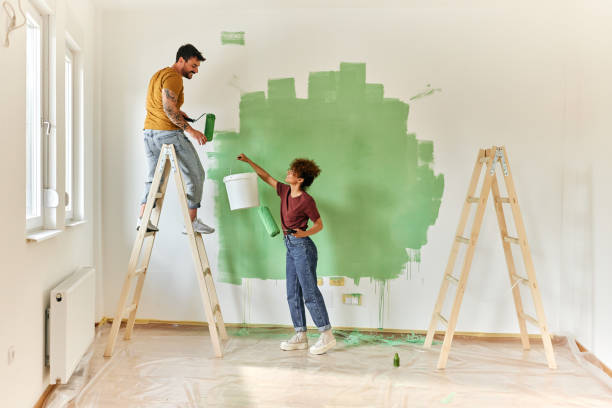
Plan Around Natural Light
The amount of natural light in your bedroom impacts how paint colors appear throughout the day. Rooms with ample sunlight can handle darker shades without feeling cramped. Meanwhile, dimly lit bedrooms benefit from lighter tones that reflect light effectively.
To test how the color interacts with lighting: 1. Apply small swatches of paint on multiple walls. 2. Observe how they look under both natural daylight and artificial lighting during different times of day.
Prepare Surfaces Properly
Proper surface preparation ensures smooth application and long-lasting results:
1. Clean walls thoroughly to remove dust and grime. 2. Repair cracks and holes using spackle. 3. Sand down rough areas to achieve an even base. 4. Prime walls if changing from dark to light hues or painting over glossy finishes.
Taking these steps prevents uneven texture while maximizing coverage efficiency.
Add Personal Touches
Once painting is complete, enhance comfort by incorporating elements that complement your new walls: – Use soft textiles like curtains, rugs, and bedding matching your color scheme. – Introduce artwork or framed photographs emphasizing personal style. – Adjust lighting fixtures (e.g., warm-tone bulbs) for added coziness at night.
By focusing on color choices, finishes, lighting considerations, and proper preparation techniques when painting bedrooms, you can create an inviting sanctuary tailored specifically toward restfulness—a critical aspect of enhancing daily wellbeing in any home environment.
Choosing the Right Paint for Kitchens and Bathrooms in High-Humidity Areas
Kitchens and bathrooms are two of the most challenging areas in your home when it comes to selecting the right paint. These spaces are subject to high humidity, frequent temperature changes, and constant exposure to water, grease, or steam. Using the wrong type of paint can lead to peeling, mold growth, or staining over time. To ensure durability and maintain a beautiful finish, it’s essential to choose paints specifically designed to handle these conditions.
Key Factors to Consider When Choosing Paint
- Moisture Resistance: Opt for paints that offer superior resistance to moisture, as this is critical in high-humidity environments like bathrooms and steamy kitchens.
- Washability: These areas often require regular cleaning due to grease splatters or water spots. Paints with a washable surface ensure easier maintenance without compromising the finish.
- Mold and Mildew Protection: Look for paints labeled as “mildew-resistant” or “anti-microbial,” which help prevent mold growth in damp conditions.
- Finish Types: Certain finishes perform better under specific circumstances. For example:
- Satin or Semi-Gloss Finish: Ideal for kitchens and bathrooms due to their durability and ease of cleaning.
- Matte Finish: Can be used if moisture-resistant formulas are applied; however, it may not provide the same level of durability as glossier finishes.
Types of Paints for High-Humidity Areas
| Type of Paint | Recommended Use | Key Features |
| Latex-Based Paint | Kitchens & Bathrooms | Quick drying, low VOCs*, moisture-resistant |
| Acrylic Paint | Bathrooms with higher humidity | Better adhesion on surfaces prone to dampness |
| Specialty Kitchen/Bathroom Paints | Both areas | Formulated specifically for humid spaces |
*Volatile Organic Compounds (VOCs) refer to chemicals released from some paints that can affect indoor air quality. Opting for low-VOC options is a healthier choice.
Additional Tips
- Prime First: Using a high-quality primer creates a solid base that helps resist moisture while improving paint adhesion.
- Ventilation Matters: Proper ventilation during and after painting is crucial in reducing humidity levels that might otherwise affect curing.
- Prep Surfaces Thoroughly: Ensure walls are clean from grease, soap scum, or dust before applying any product.
- Apply Multiple Thin Coats: Instead of one heavy coat of paint, apply multiple thin layers for better coverage and durability.
- Seal Problem Zones: Pay close attention around sinks, bathtubs, showers, or cooking spaces where water contact is inevitable.
Why Quality Matters
Cutting corners by selecting cheaper or inappropriate paints often leads to issues such as bubbling or discoloration under humid conditions. Investing in high-quality products designed specifically for kitchens and bathrooms ensures long-lasting results while protecting your home from potential damage caused by moisture over time.
By understanding these considerations and choosing wisely based on your needs, you can make your kitchen or bathroom not only visually appealing but also well-equipped to handle daily wear-and-tear without compromising performance or longevity.
Transforming Hallways, Mudrooms, and Laundry Rooms with the Perfect Paint
When it comes to painting often-overlooked spaces like hallways, mudrooms, and laundry rooms, the right paint can make a significant difference. These areas endure heavy foot traffic, scuffs, moisture, and general wear and tear. Choosing the ideal paint will not only enhance their aesthetic appeal but also ensure durability and ease of maintenance.
Key Factors to Consider When Choosing Paint for Transitional Spaces
- Durability:
Hallways and mudrooms face frequent contact with hands, shoes, bags, and even pets. Opt for paints with strong resistance to stains and scuffs. - Washability:
Laundry rooms are prone to water splashes or detergent spills. A washable paint finish allows easy cleaning without compromising on appearance. - For mudrooms or laundry rooms: Satin or semi-gloss finishes are highly recommended as they resist moisture better than matte finishes while being easy to clean.
- For hallways: Eggshell finishes strike a balance between aesthetics and durability for moderately trafficked areas.
- Color Selection:
Light shades can open up narrow hallways while bright or bold colors can add character to smaller mudrooms or laundry areas.
Suggested Colors for Hallways, Mudrooms, and Laundry Rooms
| Space | Recommended Colors | Why These Work |
| Hallways | Off-white, light gray, soft beige | Reflect light; create an open feel |
| Mudrooms | Sage green, navy blue | Mask dirt; add depth |
| Laundry Rooms | Aqua blue, pale yellow | Brighten spaces; promote cleanliness |
Tips for Transforming Each Space
- Hallways
Use lighter tones paired with mirrors or artwork to make narrow halls feel expansive. Add an accent wall in a slightly darker shade for visual interest without overwhelming the space. - Mudrooms
Since these areas tend to collect dirt from shoes or outdoor items, choose durable paint designed for high-traffic zones. Include an accent color on storage components like shelves or cabinetry to create a cohesive design. - Laundry Rooms
Bring energy into this utilitarian space by incorporating cheerful hues like pastel blues or yellows on the walls while keeping trim white for contrast. Alternatively, neutrals paired with bold-colored decor work equally well.
Benefits of Choosing High-Quality Paints
- They resist peeling even in humid conditions (ideal for laundry rooms).
- Better coverage reduces the need for frequent touch-ups in high-contact areas (like hallways).
- Advanced formulas often include mildew-resistant properties—especially useful near water sources.
By selecting durable finishes tailored to each space’s needs and pairing them with smart color choices, you can transform your hallways, mudrooms, and laundry rooms into functional yet visually appealing parts of your home effortlessly.

Top Reasons to Hire a Professional Painter for Your Next Project
When considering a painting project for your home or office, the decision to hire a professional painter can make a significant difference in terms of quality, efficiency, and long-term value. Below are some of the top reasons why hiring a professional painter is often the best choice.
1. Expertise and Skill
Professional painters bring years of experience and training to their work, ensuring flawless results. Their expertise includes:
– Proper surface preparation techniques (cleaning, sanding, and priming).
– Knowledge of different types of paint and finishes for various surfaces.
– Precision in cutting edges and creating clean lines without tape.
This level of skill is difficult to replicate without extensive practice or specialized tools.
2. Time Efficiency
Painting can be time-consuming when tackled as a DIY task, especially for larger spaces or intricate designs. Professionals complete projects much faster thanks to:
– Organized workflows and efficient processes.
– Teams that can handle large-scale jobs collectively.
– Access to commercial-grade equipment like paint sprayers and scaffolding.
By hiring professionals, you save valuable time that can be allocated elsewhere.
3. Superior Quality Materials and Tools
Professional painters have access to higher-quality paints, primers, brushes, rollers, and tools that may not be available at standard retail stores. These materials:
– Provide better coverage with fewer coats.
– Last longer without fading or peeling over time.
Additionally, professionals know which materials are best suited for specific environments like high-humidity bathrooms or sunlit exterior walls.
| DIY Supplies | Professional Tools | Benefit |
| Basic brushes/rollers | High-quality synthetic bristle brushes | Cleaner application with no streaks |
| Consumer-grade paint | Premium contractor-grade paints | Longer-lasting color & durability |
| Painter’s tape | Advanced edge-cutting techniques | Crisp lines without additional cleanup |
4. Cost Effectiveness Over Time
While hiring a professional painter may seem more expensive upfront than doing it yourself, it’s often more cost-effective in the long run due to:
– Reduced need for touch-ups or repainting within a short period. – Optimal use of resources—no wasted paint or supplies. – Prevention of costly mistakes such as uneven coats or drips on floors and furniture.
Poorly executed DIY painting projects may require additional repairs down the line that surpass the initial cost savings.
5. Safety Considerations
Certain painting projects involve risks that professionals are well-equipped to handle safely:
– Working on high ceilings or exterior walls using ladders/scaffolding. – Handling hazardous materials like oil-based paints or lead-containing paints in older homes. – Ensuring proper ventilation during application to avoid exposure to fumes.
Professionals are trained in safety protocols that minimize accidents while maintaining high standards of workmanship.
6. Color Consultation Services
Choosing the right shade can be overwhelming when faced with endless options at the store. Many professional painters offer color consultation services as part of their package:
– Recommendations based on lighting conditions in each room. – Advice on trending palettes versus timeless classics. – Suggestions tailored to your personal style preferences.
This guidance ensures cohesive design choices throughout your space.
7. Warranty on Workmanship
Many professional painters provide warranties on their services as an assurance of quality—something you won’t get with DIY work. Having this warranty offers peace of mind knowing any issues such as peeling or bubbling will be addressed promptly without additional costs.
By opting for a professional painter for your next project, you’re not only investing in higher-quality results but also eliminating stress and inefficiencies associated with doing it yourself. Whether it’s a small room refresh or a complete home makeover, working with experienced professionals ensures longevity and satisfaction in every coat applied.
Top Reasons to Hire a Professional Painter for Your Next Project
When it comes to painting your home or business, the decision between a DIY approach and hiring a professional painter can have significant implications. While painting might seem simple at first glance, there are many benefits to enlisting the expertise of a professional. Below, we explore the top reasons why hiring a professional painter is often the best choice for your next project.
1. Expertise and Skill
Professional painters bring years of experience to the table. Their expertise ensures:
– Flawless Finishes: Professionals know how to achieve smooth, even coats that eliminate streaks, roller marks, or uneven surfaces.
– Proper Preparation: They prioritize surface preparation by cleaning walls, patching cracks, sanding imperfections, and applying primer where necessary.
– Eye for Detail: From corner work to intricate designs, they handle it all with precision.
2. Time Efficiency
Painting can be time-consuming if you’re untrained or working alone. Hiring professionals allows you to save valuable time because:
– They operate with efficiency due to their expertise and tools. – You won’t need to spend days or weekends tackling an extensive project yourself. – They handle cleanup afterward, leaving everything tidy and ready for use.
| Task | DIY Estimated Time | Professional Estimated Time |
| Surface Preparation | 6–8 hours | 2–3 hours |
| Painting (Medium Room) | 8–10 hours | 3–5 hours |
| Cleanup | 2–4 hours | 1 hour |
3. Cost-Effectiveness in the Long Run
While DIY painting may initially seem cost-effective, mistakes can lead to additional expenses in repairs or redoing subpar work. Professional painters can save money by:
– Using the right amount of materials with minimal waste. – Advising on high-quality paints that reduce maintenance needs. – Avoiding costly errors such as paint spills or improper application.
4. Access to Professional Tools and Materials
Professionals utilize advanced tools and techniques that are often not available in a typical homeowner’s toolkit:
– High-quality brushes, rollers, sprayers, and drop cloths ensure better results. – Proper ladders and scaffolding allow safe access to hard-to-reach areas like ceilings or high walls. – Knowledge of specialty techniques (e.g., texture finishes) enhances overall aesthetics.
5. Safety Assurance
Painting may involve working at heights on ladders or handling potentially harmful chemicals found in certain types of paint products. Professionals are trained in safety protocols such as:
– Proper ventilation techniques for indoor projects. – The safe use of ladders and positioning tools correctly. – Handling hazardous materials like oil-based paints responsibly.
6. Warranty on Workmanship
When you hire professionals, many companies offer guarantees or warranties on their work—something you don’t have with DIY efforts. This assurance means that if issues arise with paint adhesion or appearance within an agreed timeframe, they will return to fix them at no additional cost.
7. Stress-Free Process
A professional painter takes care of all aspects of your project from start to finish so you don’t have to worry about things like:
1. Selecting compatible primers or paints for different surfaces. 2. Coordinating paint deliveries or material purchases. 3. Managing timelines during unforeseen delays caused by weather conditions (for exterior projects).
By delegating this responsibility to someone experienced in the field, homeowners can focus on other priorities while enjoying peace of mind knowing their space is in capable hands.
By choosing professional painters for your next project, you’ll achieve superior quality results while avoiding common DIY pitfalls such as uneven coverage or delayed timelines—ensuring that your space looks its absolute best for years ahead without unnecessary stress along the way.
- Painters Perrysburg OH: Exploring Interior and Exterior Paints and Their Proper Use
- Understanding the Difference Between Interior and Exterior Paint for House Painting Perrysburg OH
- Mastering the Art of Painting: Expert Painters Perrysburg OH Homeowners Trust
- Key Differences Between Exterior and Interior Paint for House Painting Perrysburg OH
- How Often Should You Hire Painters Perrysburg OH for Your Home’s Interior and Why It Matters
- Painters Perrysburg OH: Your Guide to Choosing the Perfect Paint Finish for Your Home
- Comprehensive Guide to House Painting Perrysburg OH for Beginners and Experts
- How Often Should You Schedule House Painting Perrysburg OH for Your Home or Business?
- Painters Perrysburg OH: Key Differences Between Exterior and Interior Paint Colors