

Painting is one of the most effective ways to transform a space, refresh an exterior, or breathe new life into old furniture. Whether you’re a seasoned DIY enthusiast or just getting started, mastering the art of painting requires knowledge, preparation, and the right techniques. Below, we’ve compiled 101 essential tips that every homeowner should know when it comes to painting.
Choosing the Right Paint
- Interior vs. Exterior Paint: Choose paint specifically formulated for indoor or outdoor use based on your project. Interior paint is designed to withstand cleaning and wear, whereas exterior paint resists weather elements like rain and UV rays.
- Flat/Matte: Great for ceilings and low-traffic areas due to its non-reflective quality.
- Eggshell/Satin: Durable enough for walls in living rooms or bedrooms.
- Semi-gloss/Glossy: Ideal for trim, doors, and high-moisture areas like bathrooms.
| Finish Type | Best For | Durability |
| Flat/Matte | Ceilings, low-traffic spaces | Low |
| Eggshell/Satin | Walls in general areas | Moderate |
| Semi-Gloss/Glossy | Trim, doors, humid spaces | High |
Preparation Is Key
- Dust and grease can prevent paint from adhering properly.
- Use soap and water or a degreaser where necessary.
- Fill holes with spackle or caulk.
- Sand rough patches for an even surface.
- Use painter’s tape around trim, ceilings, and adjacent surfaces to achieve clean lines.
- Use primer on bare wood or drywall to ensure proper adhesion.
- Primers are also essential when switching between colors with high contrast (e.g., dark to light).
Essential Tools Every Homeowner Needs
- Quality Brushes: Invest in synthetic-bristle brushes for latex paints and natural-bristle brushes for oil-based paints.
- Rollers: Use different nap sizes depending on your surface texture (short nap for smooth surfaces; long nap for textured walls).
- Paint Tray with Liner: Prevents messes during cleanup.
- Extension Pole: Ideal for reaching high walls or ceilings without ladders.
Techniques for Professional Results
- Start with a “W” shape when rolling paint onto walls. Then fill it in with horizontal strokes for even coverage.
- Maintain a “wet edge” while painting—this prevents lap marks as you work across sections.
- Apply thin coats instead of heavy layers; this reduces drips and allows faster drying times.
By following these must-know tips on choosing materials, preparing surfaces, using tools effectively, and mastering techniques, homeowners can take their painting projects from ordinary to extraordinary with ease.
Organize Your Painting Tools Effectively with Tips from a Painting Company Perrysburg OH
Keeping your painting tools organized is essential for a smooth and efficient painting process. A disorganized workspace can lead to wasted time, misplaced tools, and even mistakes in the final result. One simple yet innovative solution is to use DIY stir-stick paint organizers. These organizers are not only cost-effective but also highly customizable to fit your specific needs. Below, we outline how to create and utilize these organizers while maintaining a clutter-free workspace.
Benefits of Stir-Stick Paint Organizers
- Stir sticks are inexpensive and often come free with paint purchases, making them an affordable organizational tool.
- Reusing stir sticks promotes sustainability by reducing waste.
- Cut and shape the sticks according to your specific needs for different tools, such as brushes, rollers, or scrapers.
- Personalize them with labels or color coding for easy identification.
- These compact organizers take up minimal space, keeping your workstation tidy without the need for bulky storage boxes.
Materials Needed
| Item | Purpose |
| Wooden stir sticks | Base structure for organizing tools |
| Hot glue gun | To attach components securely |
| Sandpaper (optional) | Smooth edges of cut stir sticks |
| Paint or markers | For labels or decorative elements |
| Small hooks or clips | To hold brushes or smaller items |
Step-by-Step Instructions
- If needed, sand down any rough edges on the stir sticks for a smooth finish.
- Optionally, paint the sticks in different colors for categorization purposes (e.g., blue for brushes, red for rollers).
- Lay out the stir sticks horizontally as a base platform.
- Use additional vertical pieces to create compartments or slots depending on the size of tools you plan to store.
- Use a hot glue gun to attach all components securely.
- For added functionality, affix small hooks or clips onto certain areas of the organizer to hold smaller items like tape rolls.
- Label Each Section (Optional)
- Write or draw labels directly onto each compartment using permanent markers.
- This step ensures quick identification of tools during future projects.

Tips for Efficient Tool Organization
- Dedicated Sections: Designate specific sections within the organizer for different types of supplies—brushes in one area, rollers in another. This reduces confusion while working on complex projects.
- Wall-Mounted Option: Attach stir-stick organizers directly to a wall if you’re working in tight spaces like closets or garages.
- Regular Maintenance: After each project, clean off any excess paint from brushes and tools before placing them back into their designated slots.
Wrapping Up: Interior & Exterior Painting Perrysburg OH Expertise
Using DIY stir-stick paint organizers is an excellent way to streamline your painting process while keeping essential tools accessible and orderly. Whether you’re working on small touch-ups or larger renovation projects, investing time into creating these practical organizers will save you effort in the long run and ensure that your creative focus remains on achieving professional-quality results rather than hunting down misplaced items.
Achieve Flawless Edges by Letting Paint Dry and Cutting the Tape Loose Perfectly
When painting walls, trims, or other surfaces, achieving crisp and clean edges is essential for a professional finish. One of the most effective methods to ensure sharp lines involves properly using painter’s tape combined with proper timing and technique. Below, we’ll walk through how to achieve flawless edges by letting the paint dry and cutting the tape loose perfectly.
Why Painter’s Tape Matters
Painter’s tape is designed specifically for masking off areas where you don’t want paint to bleed. Unlike regular masking tape, it adheres securely without damaging surfaces or leaving sticky residue behind. When applied correctly, painter’s tape acts as a barrier that allows you to create precise lines while still working efficiently.
Steps for a Perfect Finish
- Ensure the surface is clean and dry before applying the tape.
- Use high-quality painter’s tape suited for your surface type (e.g., delicate surfaces or rough textures).
- Press down firmly along the edge of the tape using your fingernail or a putty knife to prevent paint seepage.
- Apply paint over the taped area using steady strokes.
- Avoid overloading your brush or roller near the tape to reduce drips and prevent excess from pooling at the edge.
- Let the paint dry partially but not fully cured before removing the tape.
- Ideally, wait until it feels tacky but not wet (this usually takes 30 minutes to an hour depending on humidity).
- Use a utility knife or razor blade to gently score along where the paint meets the edge of your painter’s tape.
- This step ensures that dried paint won’t peel off with removal.
- Slowly pull back at a 45-degree angle while keeping consistent tension on the tape.
- If resistance occurs, pause and make additional cuts along stubborn areas.
Common Problems & Solutions
| Problem | Cause | Solution |
| Paint bleeding under tape | Poor adhesion or uneven application | Press down edges firmly; use specialized sealing tapes |
| Tape pulls dried paint | Removing too quickly without scoring | Score gently before peeling |
| Uneven lines | Overlapping layers of inconsistent paint | Apply uniform coats; remove excess buildup |
Pro Tips for Flawless Edges
- Seal Tape Edges with Clear Coat: Before painting, apply a thin layer of clear base coat along taped edges. This seals gaps where paint might seep through.
- Work in Small Sections: Avoid taping off large areas at once to maintain manageable drying times and precision.
- Test Before Commit: Always test your technique on an inconspicuous section before proceeding with highly visible areas like trim or accent walls.
By following these methods systematically, you can elevate any painting project while ensuring sharp, professional-looking results every time.
Quick and Easy Touch-Up Painting Without the Hassle of Cleanup
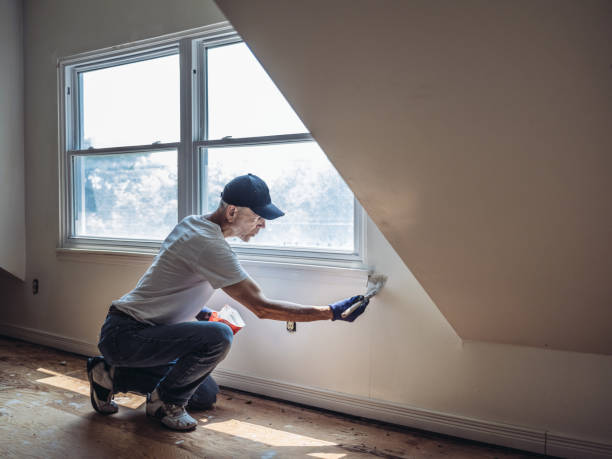
Touch-up painting is an inevitable part of maintaining a polished and well-kept home. Whether it’s filling in scuff marks, covering small scratches, or refreshing faded areas, touch-ups can breathe new life into your space without the need for a full paint job. Here are some tips to make the process quick and hassle-free while minimizing cleanup.
Gather the Essentials
- Paint: Ensure you’re using the exact same brand, finish (e.g., matte, satin, or semi-gloss), and color as your original wall paint.
- Small brushes or foam applicators: These provide precision for smaller areas.
- A damp cloth: Useful for cleaning the surface before applying paint.
- Masking tape: To protect edges or adjacent surfaces if needed.
- Plastic wrap or drop cloths: To cover furniture or flooring near your painting area.
Steps to a Cleaner Touch-Up Painting Process
- Clean the Area: Dust, grease, and dirt can all affect how paint adheres to a surface. Use a damp cloth with mild detergent to clean the area thoroughly and let it dry completely before proceeding.
- Use Small Quantities of Paint: Instead of pouring paint into a tray that would require extensive cleanup afterward, dip directly into the paint container using your brush or transfer a small amount into an airtight container.
- Feather Your Strokes: When applying touch-up paint, use light strokes that blend seamlessly with the surrounding area. Avoid overloading your brush with paint to prevent streaks or drips.
- Minimize Tools Used: For smaller jobs like covering up nail holes or chipped corners, consider tools such as cotton swabs for precision application rather than larger brushes that require more cleanup.
- Keep Touch-Up Kits Handy: Store leftover paint in small labeled containers (like mason jars) so you’re prepared for future touch-ups without having to open large cans of paint.
Pro Tips for Simplifying Cleanup
- Place plastic wrap over any surfaces prone to drips—this saves time spent scrubbing spills.
- Wrap brushes tightly in plastic wrap between coats rather than cleaning them immediately; this keeps them moist without water waste.
- If using disposable foam brushes for very minor tasks, discard them instead of washing them out to save effort.
| Tool/Item | Usefulness | Cleanup Level |
| Cotton Swabs | Great for tiny imperfections | Minimal effort |
| Foam Brushes | Ideal for quick coverage | Disposable option |
| Masking Tape | Protects adjacent surfaces | No cleanup needed |
By following these strategies, you’ll be able to tackle minor painting tasks efficiently while keeping both effort and mess at a minimum.
Essential Tips for House Painting Perrysburg OH: Pre-Paint Skin Care
Painting projects can be messy, and often, the most overlooked aspect is how to protect your skin during the process. Paint splatters, accidental spills, and harsh chemicals in paints can wreak havoc on your hands and exposed skin. Proper preparation not only keeps your skin safe but also makes cleanup much easier. One simple yet highly effective solution is using pre-paint lotions. Below, we delve into why they are important and how to incorporate them into your next painting project.
Why Use Pre-Paint Lotions?
- Easy Cleanup: Lotions allow paint to slide off easily with soap and water.
- Skin Protection: Many lotions also contain moisturizing agents that prevent dryness caused by exposure to chemicals in paint.
- Time-Saving: Reduces the need for scrubbing stubborn paint stains from hands.
- Allergen Mitigation: Helps shield sensitive skin from allergens in certain paints or solvents.
How to Choose the Right Pre-Paint Lotion
| Feature | Ideal Choice |
| Hydration | Look for glycerin-based or lanolin-rich formulas |
| Chemical Resistance | Check for barrier creams specifically designed for industrial use |
| Skin Sensitivity | Opt for hypoallergenic products with no added fragrance |
| Application Ease | Choose lotions that absorb quickly without leaving a greasy residue |
Steps to Prepare Your Skin with Pre-Paint Lotion
- Wash Your Hands Thoroughly
Before applying any lotion, ensure your skin is clean and free of dirt or oil buildup. - Apply a Generous Amount of Lotion
Focus on areas most likely to come into contact with paint—hands, wrists, forearms, etc. - Rub In Completely
Massage the lotion until it forms an invisible layer over your skin. - Reapply as Needed
If you’re involved in a long project, consider reapplying every few hours to maintain protection. - Post-Painting Cleanup
Wash off any remaining lotion along with dirt or paint using mild soap and warm water.
Additional Tips for Protecting Your Skin During Painting Projects
- Wear gloves when possible—latex or nitrile gloves work well without impacting dexterity.
- Avoid touching your face during the project; even small amounts of paint can irritate sensitive facial areas.
- For larger painting tasks involving strong chemical fumes (e.g., spray paints), consider using protective creams alongside gloves.
Summary Table: Benefits of Pre-Paint Lotions
| Benefit | Description |
| Paint Removal | Helps eliminate dried-on stains effortlessly |
| Moisturizing Properties | Keeps hands soft despite exposure to harsh chemicals |
| Barrier Function | Prevents direct contact between skin and irritants |
Proper preparation is essential before starting any painting task—don’t skip protecting your most valuable tool: your hands! With pre-paint lotions as part of your routine, you’ll enjoy smoother projects with less hassle at cleanup time while keeping your skin healthy and irritation-free throughout the process.
- Painters Perrysburg OH: Exploring Interior and Exterior Paints and Their Proper Use
- Understanding the Difference Between Interior and Exterior Paint for House Painting Perrysburg OH
- Mastering the Art of Painting: Expert Painters Perrysburg OH Homeowners Trust
- Key Differences Between Exterior and Interior Paint for House Painting Perrysburg OH
- How Often Should You Hire Painters Perrysburg OH for Your Home’s Interior and Why It Matters
- Painters Perrysburg OH: Your Guide to Choosing the Perfect Paint Finish for Your Home
- Comprehensive Guide to House Painting Perrysburg OH for Beginners and Experts
- How Often Should You Schedule House Painting Perrysburg OH for Your Home or Business?
- Painters Perrysburg OH: Key Differences Between Exterior and Interior Paint Colors