

Selecting the right paint sheen is an essential part of achieving the desired look, feel, and functionality for your space. With various sheens available, it can be overwhelming to know which one suits your specific needs. This guide will help you understand different types of sheens and how to choose the best finish for your home.
What is Paint Sheen?
Paint sheen refers to the level of gloss or shine a paint finish reflects when dry. It impacts not only the aesthetic appeal but also the paint’s durability and ease of maintenance. Generally, sheens range from flat (matte) with no shine to high-gloss finishes that are highly reflective.
- Appearance: The sheen affects how light interacts with your walls and surfaces.
- Durability: Higher-gloss paints tend to be more durable and resistant to moisture.
- Cleaning: Smooth, glossy finishes are easier to clean compared to flat or matte ones.
Types of Paint Sheens
| Type | Description | Best For |
| Flat/Matte | Non-reflective, velvety finish | Low-traffic areas like bedrooms or ceilings |
| Eggshell | Soft sheen with slight reflectivity | Living rooms, dining rooms, or areas needing durability |
| Satin | Smooth with a subtle shine | Kitchens, bathrooms, or moderately high-traffic areas |
| Semi-Gloss | Noticeable shine and higher durability | Trim, doors, cabinets, and areas prone to moisture |
| High-Gloss | Very reflective and durable | Furniture accents or decorative molding |
Factors to Consider When Choosing a Sheen
- For low-traffic rooms such as bedrooms or living rooms where walls are less likely to get dirty, flat or eggshell finishes work well.
- High-moisture areas like kitchens and bathrooms benefit from satin or semi-gloss finishes due to their resistance to humidity.
- Glossy paints enhance natural light but can highlight surface imperfections.
- Matte finishes absorb light for a softer look ideal for hiding flaws.
- In homes with children or pets where frequent cleaning is necessary, opt for satin or semi-gloss paints.
- Glossy sheens add a modern feel while flatter finishes lend themselves better to traditional styles.
Practical Tips for Using Different Sheens
- Use flat paint on textured surfaces like ceilings where reflection is unnecessary.
- Choose eggshell in spaces where you want durability without compromising softness.
- Select satin paint if you’re looking for an all-purpose option that balances washability with aesthetics.
- Reserve semi-gloss and high-gloss finishes for trim work as they provide contrast against matte walls while being easy to clean.
By understanding various paint sheens and their applications, you can ensure that every space in your home looks beautiful while remaining functional. A thoughtful approach will balance durability with design preferences—making your home both visually appealing and practical for everyday life.
How House Painting Perrysburg OH Experts Can Guide You on Choosing the Right Paint Sheen
When selecting paint for your home, color is often the first consideration. However, the paint’s sheen is just as important, as it can influence the appearance, functionality, and feel of your space. Paint sheen refers to the level of gloss or shine present in a paint finish. Different sheens not only offer varying aesthetic effects but also have unique performance characteristics.
Understanding Paint Sheens with a Painting Company Perrysburg OH
| Sheen Type | Appearance | Key Features |
| Flat/Matte | Non-reflective, smooth appearance | Great at hiding imperfections; low durability |
| Eggshell | Soft, subtle luster | More durable than flat/matte; easy to clean |
| Satin | Slightly glossy with a smooth finish | Versatile and moderately durable |
| Semi-Gloss | Noticeable shine | Highly durable; moisture-resistant |
| High-Gloss | Very shiny and reflective | Extremely durable; highlights imperfections |
How to Choose the Right Sheen for Interior & Exterior Painting Perrysburg OH
1. Light Reflection
- Glossy finishes reflect more light, making spaces feel brighter and more expansive.
- Matte finishes absorb light, creating a softer and more muted ambiance.
2. Durability & Maintenance
- Higher-sheen paints like semi-gloss or high-gloss are easier to clean, making them ideal for high-traffic areas such as kitchens or bathrooms.
- Flat or matte paints are better suited for low-maintenance areas like bedrooms or ceilings.
3. Hiding Imperfections
- Matte and eggshell finishes do an excellent job masking surface imperfections like cracks or uneven textures.
- Glossy sheens can highlight flaws due to their reflective properties.
Choosing the Right Sheen for Each Room
- Living Rooms & Bedrooms: Eggshell or satin work well due to their balance between elegance and ease of maintenance.
- Kitchens & Bathrooms: Semi-gloss or satin offers durability while resisting moisture.
- Ceilings: Flat paints are ideal since they minimize glare from lighting fixtures.
- Doors & Trim: High-gloss provides durability while creating contrast against walls.
Practical Tips for Selecting Paint Sheen
- Consider testing samples on your walls before committing to a specific sheen—this helps you observe how it interacts with natural and artificial light throughout the day.
- Think about functionality alongside aesthetics—rooms like hallways benefit from scuff-resistant options such as satin or semi-gloss.
- Keep in mind that darker colors tend to show more imperfections in higher-sheen finishes than lighter shades.
Understanding the role of paint sheens can make all the difference when planning your next painting project. By selecting an appropriate finish that aligns with both form and function, you can elevate your home’s overall look while ensuring practicality over time.
A Step-by-Step Guide for Painting Interior Doors Like a Pro
Painting interior doors can significantly enhance the overall aesthetic of your home. However, achieving a professional-looking finish requires proper preparation, the right materials, and effective techniques. This step-by-step guide will walk you through the process to ensure flawless results.
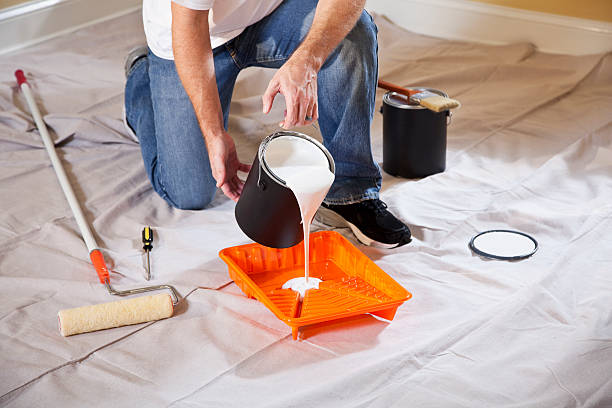
Materials and Tools You’ll Need
- Sandpaper (120-220 grit)
- Painter’s tape
- Drop cloths or plastic sheeting
- Screwdriver (for removing hardware)
- Clean cloth or tack cloth
- Degreaser or mild detergent
- Primer (if necessary)
- High-quality interior paint (appropriate sheen for doors)
- Paintbrush (angled) and/or foam roller
- Small bucket or paint tray
Step 1: Remove Hardware and Prepare Your Workspace
- Remove Door Hardware
Take off all door hardware, including handles, locks, and hinges, using a screwdriver. This ensures an even paint application without obstructions. - Protect Surrounding Areas
Lay down drop cloths or plastic sheeting to protect floors from splatters. Use painter’s tape around areas where the door meets trim or walls.
Step 2: Clean and Sand the Door
Proper preparation is crucial for achieving a smooth finish.
- Clean the Surface
Wipe down the door with a clean cloth soaked in a degreaser or mild detergent solution. Remove dirt, grease, and dust that may prevent paint adhesion. - Sand the Door
Use 120-grit sandpaper to lightly sand the surface of the door. For older doors with previous paint layers that feel rough or uneven, sanding removes imperfections. Finish with finer 220-grit sandpaper for a smoother surface. - Remove Sanding Dust
Clean off sanding residue using a tack cloth to ensure no particles interfere with painting.
Step 3: Prime if Necessary
- If painting over dark colors or glossy finishes: Apply primer to ensure even coverage.
- For new wood doors: Use primer designed for bare wood.
- Skip this step if repainting over previously painted surfaces in similar tones without visible stains.
Use a foam roller for flat areas and an angled brush for detailed sections like panels or edges.
Step 4: Choose Your Paint Sheen
| Paint Sheen | Recommended Usage |
| Satin | Ideal for doors; provides durability with a subtle shine |
| Semi-gloss | More reflective; easy to clean; perfect for high-use areas |
| High-gloss | Sleek modern look; very durable but emphasizes imperfections |
Step 5: Apply Paint
- Start with Panels
If your door has raised panels, begin by painting these sections first with an angled brush to avoid streaks along recessed edges. - Paint Flat Surfaces
Use a foam roller on larger flat areas of the door for uniform coverage without brush marks. - Work in Thin Layers
Apply thin coats of paint rather than thick ones to minimize drips and uneven drying. - Dry Between Coats
Wait at least 4–6 hours (or as recommended by your paint manufacturer) between coats before applying additional layers until full coverage is achieved.
Step 6: Reattach Hardware & Inspect Results
- Carefully reattach all hardware using your screwdriver.
- Check your work under natural light to identify any uneven spots that may require touch-ups.
By following these steps methodically, you can elevate both function and aesthetics while prolonging the life of your interior doors through professional-grade results tailored specifically to residential interiors.
Exploring Different Paint Types: Flat, Matte, Eggshell, Satin, Semi-Gloss, and High-Gloss
Choosing the right type of paint is essential to achieving the desired look and functionality for your space. Each finish has unique characteristics that make it suitable for specific applications. Below is an in-depth exploration of common paint types, including their qualities and optimal uses.
1. Flat Paint
Flat paint, also referred to as matte finish, is known for its smooth appearance and lack of sheen.
Key Features:
– Non-reflective surface
– Excellent at hiding imperfections on walls
– Provides a soft, velvety look
Best For:
– Ceilings and low-traffic areas like bedrooms or formal living rooms where durability is less critical
– Spaces with uneven surfaces that need to mask flaws
Considerations:
Flat paint is not highly durable and tends to stain easily, making it unsuitable for high-moisture or high-touch areas like kitchens or bathrooms.
2. Matte Finish
Closely related to flat paint, matte finishes offer slightly more durability while retaining the elegant minimal shine.
Key Features:
– Subtle luster when compared to flat paint
– Wipes clean more easily than flat finishes
Best For:
– Bedrooms and dining rooms where a touch of sophistication is desired but heavy cleaning isn’t required
3. Eggshell Paint
Eggshell has a soft sheen reminiscent of an actual eggshell’s surface. It provides a balance between aesthetics and functionality.
| Pros | Cons |
| Subtle sheen enhances appeal | Less effective at hiding flaws |
| More durable than matte | May require priming on uneven walls |
Best For:
– Medium-traffic spaces such as living rooms or hallways where washable surfaces are important but overly glossy finishes aren’t desired
4. Satin Paint
Satin finishes are versatile due to their balance of slight glossiness combined with durability.
Key Features:
– Offers noticeable sheen without overpowering gloss
– Resists moisture better than eggshell or matte paints
Best For:
Satin works well in:
– Kitchens
– Bathrooms
– Playrooms or family rooms due to its ability to handle cleaning
5. Semi-Gloss Paint
Semi-gloss paints have a higher level of shine than satin finishes and provide excellent resistance against moisture and grime.
Key Features:
– Reflects more light than satin paints
– Highly durable and easy to clean
Best For:
Use semi-gloss paints in:
– Trim work such as baseboards or moldings
– Doors
– High-humidity areas like bathrooms
Semi-gloss can highlight imperfections on walls due to its reflective nature; therefore, additional surface preparation may be required before application.
6. High-Gloss Paint
High-gloss paint offers the most reflective finish available among interior options.
Key Features:
– Durable with an ultra-polished look
– Resistant to stains and dirt while being extremely easy to clean
| Applications Suitable For High Gloss Paints | Reasons Why It Works Well There |
| Cabinets | Enhances details with a sleek finish |
| Banisters | Durable enough for frequent touchpoints |
| Furniture | Adds modern vibrancy while protecting surfaces |
While stunning when applied correctly, high-gloss requires precision during application since any imperfection will be magnified under its reflectivity.

Selecting the Right Finish for Your Space
- Consider factors such as traffic levels, exposure to moisture, and cleaning requirements.
- Apply small patches on walls under varying lighting conditions.
- Decide whether you prefer subtle elegance (matte/eggshell) or bold shine (semi-gloss/high-gloss).
By understanding these types of paints thoroughly, homeowners can make informed decisions suited not only for design preferences but also long-term practicality within their spaces.
How to Add Value to Your Home with the Right Paint Choices
Choosing the right paint for your home is more than just a matter of aesthetics; it’s an investment that can significantly increase your property’s value. Whether you’re preparing to sell or simply enhancing your living space, making strategic decisions about paint colors and finishes can provide both immediate visual appeal and long-term financial benefits.
The Importance of Paint in Home Value
Paint plays a critical role in creating a first impression. It sets the tone for how buyers or guests perceive your home. A well-maintained, thoughtfully painted home signals care and quality, while outdated or neglected paint can detract from even the most structurally sound property.
Here’s why paint is pivotal: – Boosts Curb Appeal: The exterior of your home is the first thing potential buyers notice. – Neutralizes Personal Taste: Neutral tones help buyers envision themselves in the space. – Highlights Features: Proper use of color draws attention to architectural details. – Improves Perception of Space: Lighter shades make rooms feel larger, while darker hues add coziness.
Key Considerations When Choosing Paint
- Opt for neutral tones such as whites, grays, and beiges for broad appeal.
- Use soft blues and greens sparingly in bathrooms or bedrooms to create calming environments.
- Avoid overly bold or niche colors that may alienate prospective buyers.
- Finish Different finishes offer varying levels of durability and sheen:
- Flat/Matte Finish: Ideal for ceilings and low-traffic areas due to its lack of shine.
- Eggshell/Satin Finish: Perfect for walls in living spaces due to their slight sheen and easy maintenance.
- Semi-Gloss/High-Gloss Finish: Durable and reflective—great for trim, doors, and cabinetry.
- Quality Invest in high-quality paints with good coverage and longevity. Premium paints often resist fading, stains, and wear better than budget alternatives.
- Compatibility with Style Ensure that chosen colors align with your home’s architectural style (e.g., modern homes look great with muted palettes, while traditional homes shine with classic tones).
Popular Color Trends That Add Value
| Room Type | Suggested Colors | Benefits |
| Living Room | Warm greys, soft whites | Creates an inviting atmosphere |
| Kitchen | White/off-white cabinets | Brightens space; timeless aesthetic |
| Bedroom | Cool blues or light greens | Promotes relaxation |
| Bathroom | Neutral off-whites | Cleanliness-enhancing appearance |
Tips for Maximizing ROI Through Paint
To ensure you get the highest return on investment: – Focus on high-impact areas like entryways, kitchens, and bathrooms. – Refresh exterior trim regularly since it endures weathering over time. – Repaint rooms that are heavily scuffed or feature outdated colors before listing a property.
By choosing thoughtful paint combinations tailored to today’s market preferences while maintaining quality application techniques, you’ll add instant value to your home without overextending your budget.
Painted Tile Review: Evaluating Durability and Longevity Over Time
Painting tiles is a cost-effective and creative way to refresh outdated spaces without undergoing a full renovation. However, the decision to paint tiles involves important considerations about durability, maintenance, and longevity. Here’s a detailed review of how painted tiles hold up over time.
Factors Affecting the Durability of Painted Tiles
- Surface Preparation
Proper preparation is essential to ensure long-lasting results. This includes: - Cleaning the tiles thoroughly to remove dirt, grease, and grime.
- Sanding glossy surfaces to promote adhesion.
- Applying a high-quality primer specifically designed for tile or smooth surfaces.
- Type of Paint Used
Choosing the right paint can significantly affect the performance of painted tiles: - Epoxy Paints: Highly durable and water-resistant, ideal for areas with high moisture like bathrooms and kitchens.
- Acrylic Paints: More affordable but less effective in high-traffic or wet areas unless sealed with a protective topcoat.
- Sealant Application
A clear topcoat or sealant can protect painted tiles from wear and tear while enhancing their appearance over time.
Durability Over Time by Location
| Location | Durability Rating | Key Considerations |
| Kitchen Backsplash | High | Minimal physical wear; easy to clean spills. |
| Bathroom Walls | Moderate | Exposure to moisture; sealant crucial here. |
| Shower Area | Low | Constant water exposure may lead to peeling. |
| Floor Tiles | Low-Moderate | High foot traffic increases risk of damage. |
Pros and Cons of Painted Tiles
- Affordable compared to replacing tile entirely.
- Customization options allow you to achieve unique designs.
- Quick way to modernize a space with minimal disruption.
- Requires meticulous preparation for best results.
- Not suitable for all locations (e.g., shower floors).
- May require periodic touch-ups or reapplication over time.
Maintenance Tips for Painted Tiles
- Avoid abrasive cleaners that can scratch or strip the paint.
- Use rugs or mats on painted floor tiles in high-traffic areas.
- Reapply sealant every year in areas exposed to moisture.
- Wipe surfaces immediately after spills occur.
Is Painting Tiles Worth It?
While painting tiles can be an excellent short-term solution for updating spaces on a budget, its longevity depends largely on proper application techniques and environmental factors. For rooms with heavy moisture or frequent use, alternative solutions like tile replacement may be more practical if long-term durability is the goal.
- Painters Perrysburg OH: Exploring Interior and Exterior Paints and Their Proper Use
- Understanding the Difference Between Interior and Exterior Paint for House Painting Perrysburg OH
- Mastering the Art of Painting: Expert Painters Perrysburg OH Homeowners Trust
- Key Differences Between Exterior and Interior Paint for House Painting Perrysburg OH
- How Often Should You Hire Painters Perrysburg OH for Your Home’s Interior and Why It Matters
- Painters Perrysburg OH: Your Guide to Choosing the Perfect Paint Finish for Your Home
- Comprehensive Guide to House Painting Perrysburg OH for Beginners and Experts
- How Often Should You Schedule House Painting Perrysburg OH for Your Home or Business?
- Painters Perrysburg OH: Key Differences Between Exterior and Interior Paint Colors