

1. Purpose and Functionality
Interior and exterior paints are designed to serve different purposes based on where they are used:
– Interior Paints:
– Focused on enhancing the aesthetic appeal of indoor spaces.
– Offer resistance to stains, scuffs, and scratches, common in lived-in areas like kitchens, bedrooms, or living rooms.
– Prioritize smooth finishes for clean aesthetics.
- Engineered to withstand harsh weather conditions such as sunlight, rain, wind, and temperature fluctuations.
- Protect surfaces from moisture damage, mold growth, and UV rays.
2. Composition Differences
| Feature | Interior Paint | Exterior Paint |
| Binders | Softer binders for flexibility indoors. | Harder binders for durability outdoors. |
| Additives | Low-VOC additives for safer indoor air quality. | Additives to resist mildew & moisture. |
| Pigments | Emphasis on color consistency | Fade-resistant pigments |
3. Durability Requirements
- Interior Paint: Durability focuses more on resisting everyday wear-and-tear like accidental scuffs or washable stains rather than extreme environmental stressors.
- Exterior Paint: Built to endure heavy exposure to UV rays without fading while offering water resistance against rain or snow.
4. Finish Options
The range of finishes available also highlights differences between these types of paint: – For interiors: – Matte or eggshell finishes are common in bedrooms due to their soft appearance. – Satin or semi-gloss finishes work well in high-moisture areas like bathrooms. – For exteriors: – Glossy or semi-gloss finishes are often used as they reflect light better outdoors. – Flat finishes may be chosen for large walls to minimize surface imperfections.
5. Environmental Considerations
Modern formulations consider safety standards: – Interior paints often contain lower levels of volatile organic compounds (VOCs), ensuring minimal impact on indoor air quality. – Exterior paints may include higher VOCs but focus heavily on resisting environmental damage.
Key Tips for Selecting the Right Paint
When deciding between interior and exterior paint options: 1. Evaluate the location – is it indoors or exposed to outdoor elements? 2. Consider the surface type – porous surfaces might require specialized formulations. 3. Factor in local climate – extreme climates demand durable weather-resistant coatings.
Understanding these distinctions not only ensures a lasting finish but also optimizes performance by matching the right product with its intended purpose.
Finding Skilled Painters Perrysburg OH: Qualities That Enhance Indoor Spaces
Interior paint plays a significant role in transforming living and working spaces. It is specifically designed to meet the functional and aesthetic needs of indoor environments. Below, we explore the key characteristics that make interior paint suitable for enhancing indoor spaces.
1. Low VOC Levels for Better Indoor Air Quality
Volatile Organic Compounds (VOCs) are chemicals that can emit harmful gases, impacting air quality. Interior paints are typically formulated with low or zero VOC content to ensure a safer environment, especially in enclosed spaces.
- Low VOC Paints: Ideal for homes, schools, and healthcare facilities.
- Zero VOC Options: Commonly used in eco-friendly and sustainable projects.
2. Smooth Finish for Aesthetic Appeal
| Type of Finish | Characteristics | Applications |
| Matte/Flat | Non-reflective; hides imperfections | Bedrooms, living rooms |
| Eggshell | Subtle sheen; easy to clean | Hallways, dining areas |
| Satin | Soft shine; highly durable | Kitchens, bathrooms |
| Semi-Gloss | Reflective; moisture-resistant | Trim work, doors |
| High Gloss | Highly reflective; adds drama | Accent walls, decorative elements |
3. Washability and Stain Resistance
- Washable Surfaces: Allows easy removal of dirt or marks without damaging the paint.
- Stain Resistance: Prevents absorption of spills like coffee or wine.
4. Customization Through Color Variety
- Neutral shades like beige or gray promote calmness.
- Vibrant colors such as red or yellow can energize a room.
- Pastels like mint green or lavender add a soft touch.
5. Specialized Paints for Unique Needs
- Anti-Microbial Paints: Prevent mold growth in humid areas like bathrooms.
- Odor-Free Paints: Ideal for sensitive individuals who may react to strong smells.
- Chalkboard Paints: Transform walls into writable surfaces for creative use.
6. Consistency and Ease of Application
- Quick drying times reduce project duration.
- Minimal splatter ensures cleaner application.
7. Resistance to Fading Under Artificial Lighting
Unlike exterior paint exposed to sunlight, interior paint is optimized to maintain its color under artificial lighting conditions such as LED bulbs or fluorescent tubes. This ensures rooms retain their vibrancy over time.
By understanding these characteristics, homeowners can make informed decisions when selecting interior paint tailored to their needs while ensuring long-lasting performance indoors.

Exploring the Qualities of Interior Paint with a Trusted Painting Company Perrysburg OH
Interior paint is specifically formulated to meet the aesthetic and functional needs of indoor spaces. Its characteristics differ significantly from those of exterior paint, as it is designed to create a visually appealing and comfortable environment while also ensuring durability and ease of maintenance. Below, we’ll explore the key qualities that make interior paint ideal for indoor applications.
1. Aesthetic Versatility
Interior paints are available in a wide range of colors, sheens, and finishes to suit varying design preferences. This allows homeowners and designers to customize interiors according to specific themes or moods.
- Matte: Provides a smooth, non-reflective surface ideal for hiding imperfections.
- Satin: Offers a subtle sheen suitable for high-traffic areas like living rooms or hallways.
- Glossy: Delivers high reflectivity, perfect for adding depth or highlighting architectural details.
- Color Range: From neutral tones like beige and gray to bold hues such as emerald green or deep blue.
2. Washability and Maintenance
Interior paint is engineered with low-maintenance features that cater to frequent cleaning without compromising its finish.
- Stain-resistant formulations help prevent absorption of dirt or liquids.
- High-quality interior paints allow easy cleaning with mild detergents or a damp cloth.
- Enhanced scrubbability ensures that even stubborn marks can be removed without damaging the layer of paint.
| Finish | Washability Rating | Ideal Use Case |
| Matte | Low | Bedrooms, ceilings |
| Satin | Moderate | Living rooms, hallways |
| Semi-gloss | High | Kitchens, bathrooms |
3. Low Odor and Eco-Friendly Options
- Low-VOC (Volatile Organic Compounds): These formulations release minimal harmful fumes during application and drying, making them safe for indoor air quality.
- Odorless Paints: Designed for spaces where occupants need quick re-entry after painting.
- Many brands now produce eco-friendly options using natural pigments and sustainable ingredients.
4. Smooth Application Properties
- Excellent spreadability ensures even coverage with fewer brush strokes or roller marks.
- Quick-drying formulas reduce waiting times between coats.
- Minimal spatter makes cleanup easier after application.
5. Resistance to Fading
- Special additives protect against discoloration caused by artificial light sources over time.
- Premium brands offer fade-resistant technologies that maintain vibrancy longer than standard formulations.
Practical Tips When Choosing Interior Paint
- Bedrooms benefit from calming matte finishes in muted colors.
- Kitchens thrive with semi-gloss coatings due to their stain resistance.
- Use lighter shades in poorly lit rooms to enhance brightness.
- Opt for darker hues in well-lit spaces to create bold accents.
- Always try small patches on walls before committing to large quantities of a single shade.
- Higher-quality options often provide better coverage per coat despite their higher price tag.
By understanding these traits of interior paint, you can make informed decisions tailored specifically to your indoor design requirements.
Comprehensive Guide to Interior & Exterior Painting Perrysburg OH: 20 Types of Paints Explained
When selecting paint for interior or exterior surfaces, the wide array of options available can be overwhelming. Each type of paint has specific properties, uses, and benefits that make it ideal for certain applications. Below is a detailed guide to 20 types of paints commonly used in both interior and exterior settings.
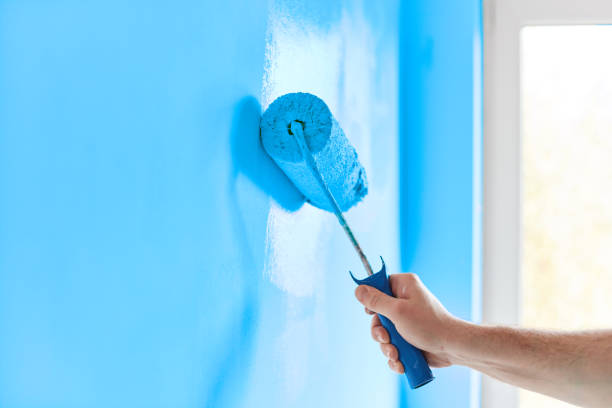
Acrylic Paint
- Key Features: Water-based, quick-drying, flexible, and durable.
- Applications: Suitable for both indoor and outdoor surfaces; great for walls, ceilings, and exteriors exposed to sunlight.
- Benefits: Resistant to cracking and peeling due to its flexibility.
Latex Paint
- Key Features: Water-based with a smooth finish.
- Applications: Commonly used on interior walls and ceilings; preferred for drywall, masonry, and woodwork.
- Benefits: Low odor, easy cleanup with water, eco-friendliness.
Oil-Based Paint
- Key Features: Durable with a glossy finish.
- Applications: Ideal for high-moisture areas like kitchens or bathrooms; suitable for trims and furniture.
- Benefits: Provides excellent adhesion and resistance to wear.
Types of Paint Based on Finish
| Finish Type | Characteristics | Popular Uses |
| Flat/Matte | Non-reflective finish | Ceilings or low-traffic areas |
| Eggshell | Subtle sheen | Living rooms or dining rooms |
| Satin | Smooth with slight gloss | Kitchens or hallways |
| Semi-gloss | Reflective and durable | Bathrooms or trims |
| High-gloss | Very shiny | Cabinets or doors |
Enamel Paint
- Key Features: Provides a hard coating that resists wear-and-tear.
- Applications: Perfect for metal surfaces like railings and gates; also good on wooden furniture.
- Benefits: Long-lasting shine with superior protection against moisture.
Emulsion Paint
- Key Features: Versatile water-based paint that is washable.
- Applications: Commonly used in residential interiors; suitable for walls where cleaning may be required.
- Benefits: Offers durability while being cost-effective.
Specialized Exterior Paints
- Formulated to resist fading due to sun exposure.
- Provides long-term protection against water damage.
- Adds depth by hiding surface imperfections like cracks.
- Popular for exterior walls on modern homes.
- Contains additives to inhibit fungal growth.
- Essential in humid climates where mold is common.
- Designed specifically for concrete walls.
- Highly breathable yet resistant to weathering over time.
Unique Interior Applications
- Transforms walls into writable surfaces perfect for kids’ rooms or offices.
- Adds reflective shimmer ideal as an accent in bedrooms or dining rooms.
- Affordable matte-finish option suited for temporary interiors like rental spaces.
- Superior stain resistance makes them perfect choices near high-touch areas in homes with children.
By understanding these varieties along with their features, homeowners can select the right type of paint tailored precisely to their needs while ensuring lasting results without compromise on aesthetics or functionality.
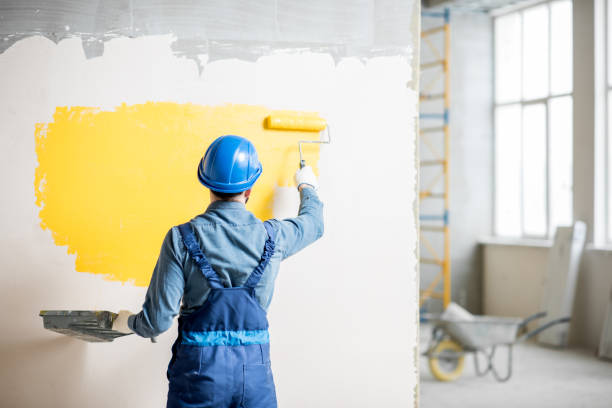
All You Need to Know About Wall Putty: Benefits, Applications, and Finishing Tips
Wall putty plays a critical role in achieving a smooth and durable finish for walls before painting. It’s an essential preparatory material that helps enhance the aesthetic appeal and longevity of painted surfaces. Below is an in-depth look at its benefits, applications, and practical tips for achieving the best results.
What is Wall Putty?
Wall putty is a fine white-cement-based powder or acrylic material that is applied to walls and ceilings before painting. Its primary purpose is to provide a leveled surface by filling cracks, holes, and uneven areas while improving paint adhesion.
Benefits of Using Wall Putty
- Smooth Surface Preparation: It creates an even base by covering imperfections like small cracks, dents, or pores on wall surfaces.
- Enhanced Paint Adhesion: Proper application helps the paint adhere better to the surface, ensuring lasting results.
- Increased Durability: By acting as a protective layer between the wall and paint, putty prevents peeling or flaking over time.
- Moisture Resistance: Certain types of wall putties are designed to resist moisture penetration, making them suitable for humid environments.
- Cost-Effective Maintenance: Pre-treating walls with putty reduces frequent repainting costs by improving durability.
Types of Wall Putty
| Type | Characteristics | Best Used For |
| Cement-Based Putty | Composed of white cement; provides excellent strength | Exterior walls; areas prone to moisture |
| Acrylic Putty | Made with acrylic resins; offers smooth finishes | Interior walls; low-moisture areas |
Depending on your project type and environmental conditions, you can select the most appropriate type for optimal results.
How to Apply Wall Putty Step-by-Step
- Clean the surface thoroughly to remove dirt, grease, and loose particles.
- Sand any uneven areas lightly if necessary.
- Gradually add water to dry wall putty while stirring until you achieve a lump-free paste.
- Let it rest for 10–15 minutes before application.
- Use a steel trowel or blade to apply an even layer (1–2 mm thick).
- Allow it to dry completely (6–8 hours).
- Use fine sandpaper (400–600 grit) to smooth out any roughness.
- For better leveling on highly textured walls or deep imperfections, apply another thin coat.
- Repeat sanding after drying.
- Once fully dry and leveled (24 hours), proceed with primer application followed by paint.
Tips for Best Results
- Always use clean tools and water during mixing to prevent contamination.
- Avoid applying excessively thick layers as they may crack upon drying.
- Store unused material in airtight containers in a cool environment.
- Perform patch tests on small sections if you’re uncertain about using specific products.
Well-executed preparation using wall putty lays a strong foundation for stunning paint finishes that last longer without frequent maintenance needs.
All You Need to Know About Wall Putty: Benefits, Applications, and Finishing Tips
Wall putty is an essential component in painting and construction processes, designed to provide a smooth and even surface for painting while enhancing the overall durability of walls. Understanding its benefits, applications, and finishing techniques can significantly impact the quality of your paintwork. Below is a comprehensive guide to help you make the most of wall putty in your projects.
Benefits of Wall Putty
- Smooth Surface Finish: Wall putty creates a leveled and smooth surface that enhances paint adhesion.
- Improved Durability: It helps protect walls from cracks, flaking, and regular wear-and-tear by filling minor imperfections.
- Moisture Resistance: Many high-quality wall putties offer moisture resistance, preventing dampness from affecting the painted surface.
- Enhanced Paint Life: A properly applied layer of putty allows paint to last longer by creating a strong base.
- Cost Efficiency: By reducing the need for excessive primer or multiple coats of paint, wall putty can lower overall project costs.
Applications of Wall Putty
- Used to fill cracks, holes, dents, or uneven surfaces on plastered walls before applying primer or paint.
- Ensures even application for all types of paints.
- Protect outdoor surfaces from weather damage by preventing moisture ingress.
- Enhances adhesion for exterior-grade paints.
- Creates an aesthetically pleasing finish by smoothing out rough surfaces in living rooms, bedrooms, or kitchens.
- Ideal for patching up damaged areas on walls where plaster might have peeled off or chipped away over time.
Types of Wall Putty
| Type | Composition | Key Features | Best Suited For |
| White Cement-Based | Made with white cement | Durable, water-resistant | Interior & exterior walls |
| Acrylic-Based | Contains polymers | Smooth finish but less durable than cement-based options | Interiors only |
| Polymer-Based | Composed of specialized polymers | Flexible and crack-resistant | High-moisture environments |
Finishing Tips for Applying Wall Putty
- Clean the wall thoroughly to remove dirt, dust, grease, or loose particles.
- Ensure that the surface is free from dampness before applying putty.
- Follow manufacturer instructions while mixing powder-based wall putties with water.
- Aim for a lump-free consistency similar to paste.
- Use a stainless-steel trowel or blade for spreading an even layer across the surface.
- Apply at least two coats (allow drying time between coats) for optimal smoothness.
- Let the applied layers dry completely before sanding them down lightly using fine-grit sandpaper.
- After achieving a seamless finish with sanding, apply a coat of primer suitable for your chosen type of paint.
By understanding these aspects—benefits, applications, types available in the market—and following expert tips on finishing techniques during its use—you can ensure better results from both interior design projects as well as outdoor protective coatings when utilizing wall-putties effectively across surfaces themselves!
- Painters Perrysburg OH: Exploring Interior and Exterior Paints and Their Proper Use
- Understanding the Difference Between Interior and Exterior Paint for House Painting Perrysburg OH
- Mastering the Art of Painting: Expert Painters Perrysburg OH Homeowners Trust
- Key Differences Between Exterior and Interior Paint for House Painting Perrysburg OH
- How Often Should You Hire Painters Perrysburg OH for Your Home’s Interior and Why It Matters
- Painters Perrysburg OH: Your Guide to Choosing the Perfect Paint Finish for Your Home
- Comprehensive Guide to House Painting Perrysburg OH for Beginners and Experts
- How Often Should You Schedule House Painting Perrysburg OH for Your Home or Business?
- Painters Perrysburg OH: Key Differences Between Exterior and Interior Paint Colors